My Gym Partner's a Monkey: The Big Field Trip
2007
No user ratings available yet
Representation score: 1.2 out of 10
Representation Score
Limited
1996
Director
Neal Israel
Runtime
94 minutes
Average Rating
No ratings yetNew Showbiz Analysis
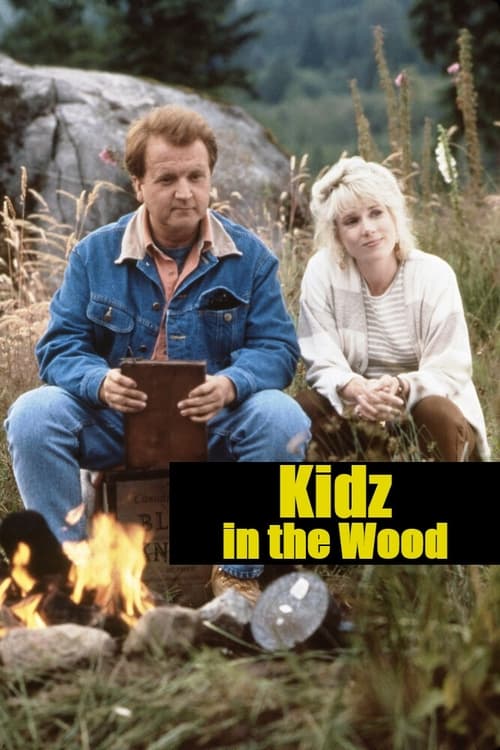
Kidz in the Wood is a conventional comedic adventure that adheres to the standard clichés of its era. It prioritizes slapstick survival over narrative complexity or social commentary. The film lacks the depth required to engage with the way different parts of someone's identity overlap. Instead, it operates within established social hierarchies and traditional Western archetypes. Ultimately, the production functions as a genre piece rather than a vehicle for inclusive representation or challenging systemic norms.
Category Breakdown
The film does not prominently feature characters with LGBTQ+ identities or diverse sexual orientations. It follows a conventional comedic structure typical of 1990s television movies without critiquing the assumption that everyone is straight or cisgender.
The narrative relies on established gender archetypes common in mid-90s ensemble comedies. Women are not shown subverting traditional leadership roles, and masculinity is portrayed through familiar stereotypes.
The ensemble cast lacks documented evidence of a non-white majority. The Oregon Trail setting leans toward traditional Western archetypes that may lack characters of color with significant roles.
The story functions within a conventional framework of social order and traditional morality. It does not explore secular critiques or the deconstruction of Western institutions.
The focus remains on comedic survival, which favors able-bodied slapstick. There is no evidence of characters with visible or invisible disabilities being given real depth or control over their stories.
Present on Screen
Limited or Absent
Official Synopsis
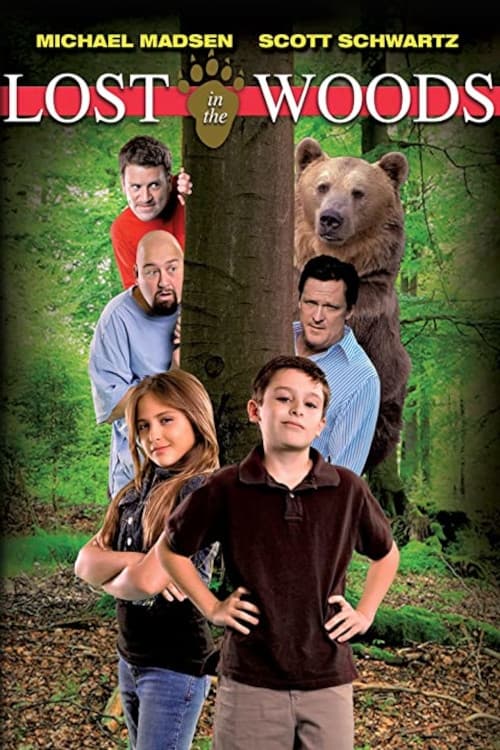
A class field trip to the Oregon Trail that results in the class and teacher getting lost.
2007
2006
1983
1963

1990

2002
2009

2018
No reviews yet. Be the first to share your thoughts on this movie!
Use the rating form above to leave a star rating and optional review.