Adventure
1945
No user ratings available yet
Representation score: 1.4 out of 10
Representation Score
Minimal
1941
ApprovedDirector
Walter Forde
Runtime
98 minutes
Average Rating
No ratings yetNew Showbiz Analysis
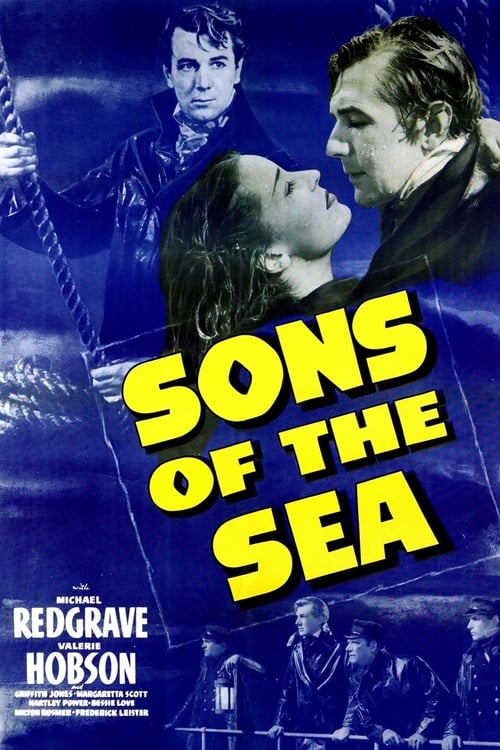
Atlantic Ferry is a traditional period drama that upholds mid-20th-century social hierarchies. The plot centers on the MacIver brothers and their technological achievement in steam-powered transatlantic travel, prioritizing male-driven industrial progress. The film adheres to the standard racial and gender norms of its era. It lacks the narrative structure to challenge systemic structures, focusing instead on celebrating masculine ability to act and Western technological advancement. Since the film aligns with the conventional social constraints of 1941, it offers limited representation for underrepresented groups, functioning primarily as a celebration of national and industrial achievement.
Category Breakdown
The film does not include any characters who identify as LGBTQ+ or have non-straight relationships. The story focuses on the MacIver brothers, emphasizing a traditional family setup.
The male characters play a central role in the story, particularly in their industrial and engineering achievements. Female characters likely serve in supportive or domestic roles, reflecting the social norms of 1941.
The film features a predominantly Anglo-Saxon cast, which is typical of 1941 British cinema. There is no indication of a diverse or multicultural cast.
The story highlights Western industrialism and the triumph of human ingenuity. It promotes values of patriotism, progress, and the stability of the traditional family unit.
There are no visible or mentioned depictions of physical or cognitive disabilities within the available narrative information.
Present on Screen
Limited or Absent
Official Synopsis
The MacIver brothers (Michael Redgrave, Griffith Jones) build the first ship to cross the Atlantic by steam power alone.
1945

1939
1930

1942
1947

1957

1929

1952
No reviews yet. Be the first to share your thoughts on this movie!
Use the rating form above to leave a star rating and optional review.