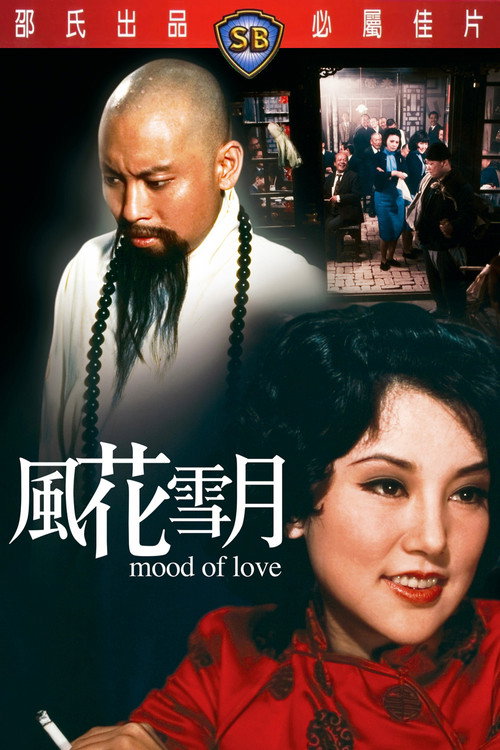
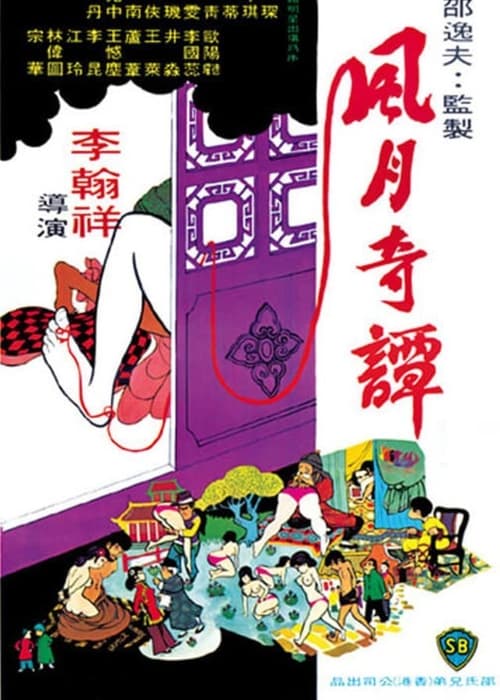
Moods of Love
1977
No user ratings available yet
Representation score: 5.2 out of 10
Representation Score
Fair
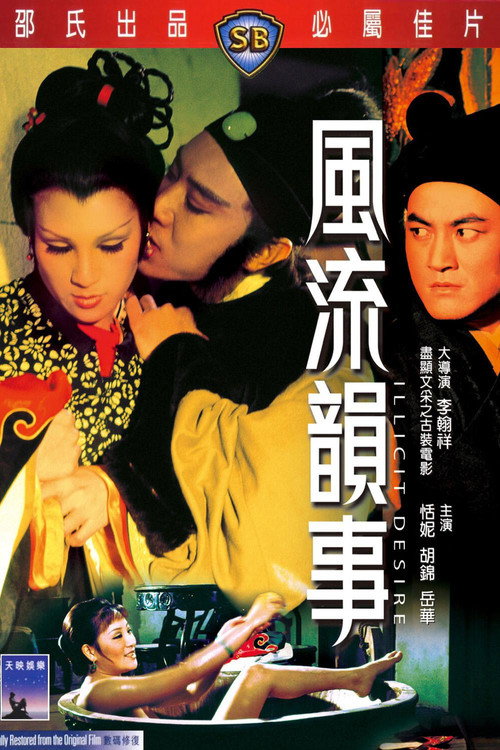
1973
Director
Li Han-Hsiang
Runtime
100 minutes
Average Rating
No ratings yetNew Showbiz Analysis
Illicit Desire succeeds primarily through its cultural specificity and its rejection of Western-centric cinematic norms. By grounding its erotic and mystical legends in Chinese history, it offers a necessary alternative to the dominant global paradigms of the 1970s. While the film provides a rich historical framework, it lacks explicit evidence of progressive identity politics. The representation of gender and sexuality remains within traditional romantic and erotic clichés rather than actively deconstructing social hierarchies. Ultimately, the film's strength lies in its cultural ability to act and its use of Eastern mysticism to explore themes of desire and spirituality.
Category Breakdown
The film explores erotic legends but doesn't explicitly confirm any queer identities. It operates within traditional romantic clichés rather than challenging the assumption that everyone is straight or cisgender.
The focus on eroticism centers on desire and bodily autonomy. However, there is no clear evidence of women subverting masculine authority or driving the plot.
By centering Tang and Ming Dynasty histories, the film provides significant cultural ability to act. It serves as a strong counter-narrative to the Western-centric perspectives common in 1970s cinema.
The inclusion of Buddhist monks and mystical legends suggests spiritual fluidity. The narrative avoids singular, dogmatic morality in favor of subjective, mystical themes.
The film provides no visible evidence regarding the depiction of physical or neurodivergent disabilities.
Present on Screen
Limited or Absent
Official Synopsis
Tang Dynasty emperors, Ming Dynasty scholars, assorted fortunetellers, and several Buddhist monks figure in a trio of erotic and mystical Chinese legends.
1977
2005
2011
1974
1972

1991
2000

1996
No reviews yet. Be the first to share your thoughts on this movie!
Use the rating form above to leave a star rating and optional review.