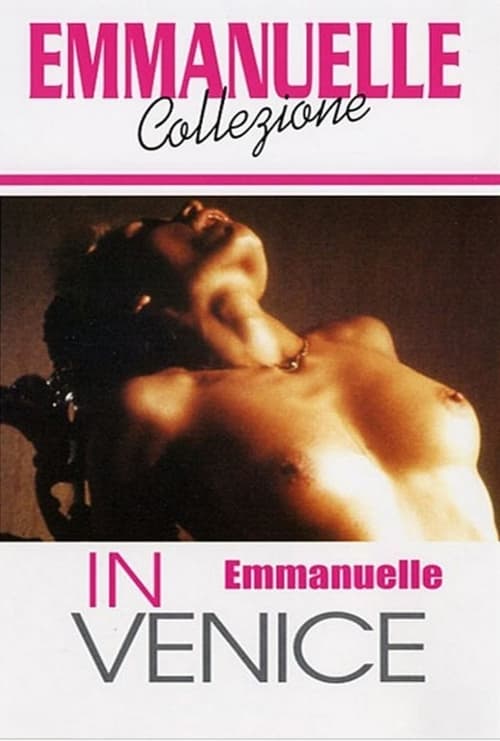
Emmanuelle in Venice
1993
No user ratings available yet
Representation score: 4.1 out of 10
Representation Score
Fair
2000
RDirector
Jag Mundhra
Runtime
95 minutes
Average Rating
No ratings yetNew Showbiz Analysis
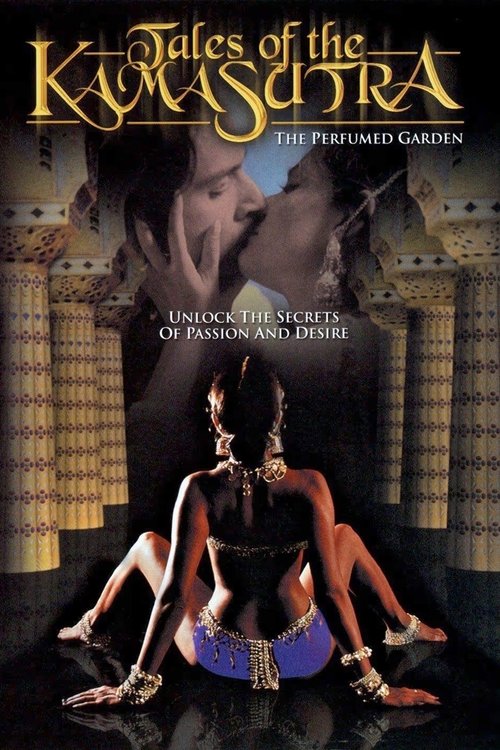
The film uses a cross-cultural setting to challenge conventional Western views on morality and sexual ability to act. By centering the narrative on the Kama Sutra, it elevates individual desire over institutional norms. While the work succeeds in disrupting romantic propriety through cultural exchange, it lacks depth in other areas. There is no evidence of LGBTQ+ representation or disability inclusion within the provided story details.
Category Breakdown
The film focuses on the sexual awakening of Michael and Lisa. It explores their forbidden desires but does not include any queer-coded narratives or non-straight identities.
The story positions the female protagonist as an active participant in her own desire. This framing disrupts traditional submissive femininity through the lens of sexual reclamation.
By setting the story in India, the film blends Western protagonists with Eastern cultural heritage. This cross-cultural blend disrupts the homogeneity typical of Western romance dramas.
The narrative prioritizes personal pleasure over traditional religious or social constraints. Centering the Kama Sutra presents an Eastern-inspired framework that challenges Western moral structures.
There is no mention of characters with physical or neurodivergent disabilities in the narrative.
Present on Screen
Limited or Absent
Official Synopsis
Imagine a world of pleasure, where passion is the ultimate obsession. When Michael and Lisa travel to India to restore an erotic sculpture, they are immediately acquainted with the Kama Sutra and introduced to the skills of seduction. But when forbidden desires are revealed, vows can be broken. Now, sexual desires are about to be reawakened and fantasies are about to come true. What you desire you cannot resist. Experience it for yourself.
1993
1976
1999
2003
2006
1993
2000
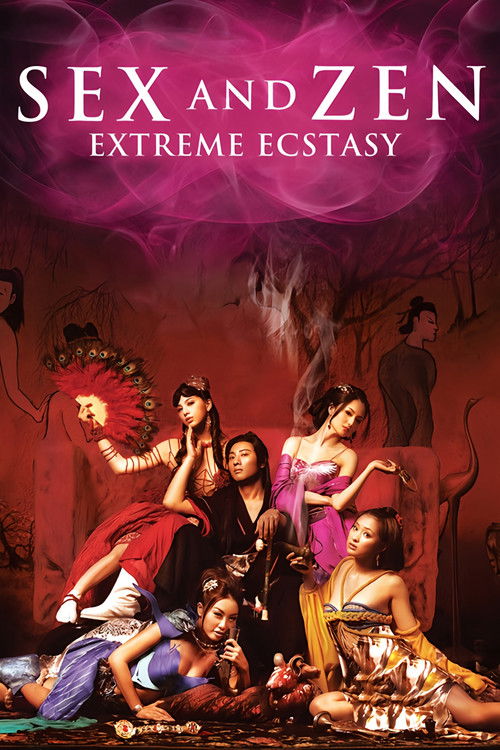
2011
No reviews yet. Be the first to share your thoughts on this movie!
Use the rating form above to leave a star rating and optional review.