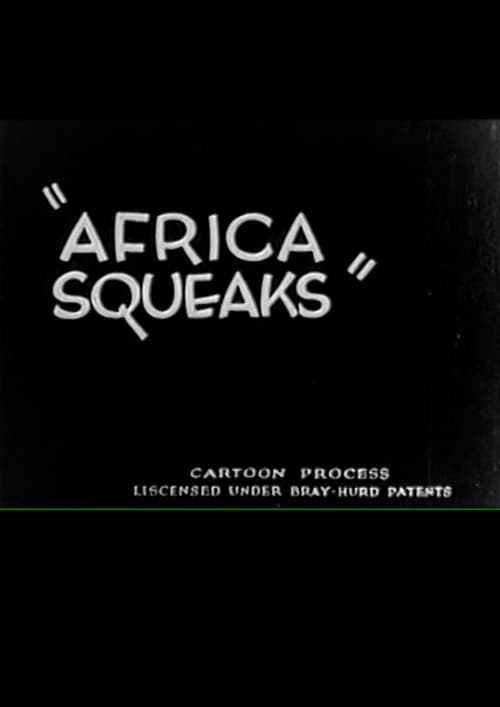
Africa Squeaks
1931
No user ratings available yet
Representation score: 0.3 out of 10
Representation Score
Minimal
1935
ApprovedDirector
Ub Iwerks
Runtime
8 minutes
Average Rating
No ratings yetNew Showbiz Analysis
This animated short functions as a historical artifact that reinforces social hierarchies through visual clichés. The narrative structure relies on exaggerated physical caricatures and 'othering' techniques common in early 20th-century media. Characters of color are used primarily as visual stereotypes, lacking ability to act and depth. The portrayal of a non-Western setting is overly romanticized and simplified, reflecting a colonial-era perspective rather than a nuanced cultural engagement. Overall, the film embodies the systemic biases of its time, failing to offer diverse or nuanced representations.
Category Breakdown
The film does not depict any LGBTQ+ identities or narratives. Characters are confined to a traditional family dynamic centered around a child and a mother.
Gender roles are portrayed through traditional and oversimplified lenses. The mother is shown in a domestic, caregiving role that aligns with conventional gender expectations.
The film employs racial caricatures that align with historical blackface animation clichés. The protagonist relies on exaggerated physical features and skin tones that serve as offensive racial stereotypes.
The film presents a non-Western setting in a highly romanticized and simplified manner. It adopts a flattened, colonial-era perspective that overlooks cultural complexities.
There are no visible or invisible disabilities featured in the narrative.
Present on Screen
Limited or Absent
Official Synopsis
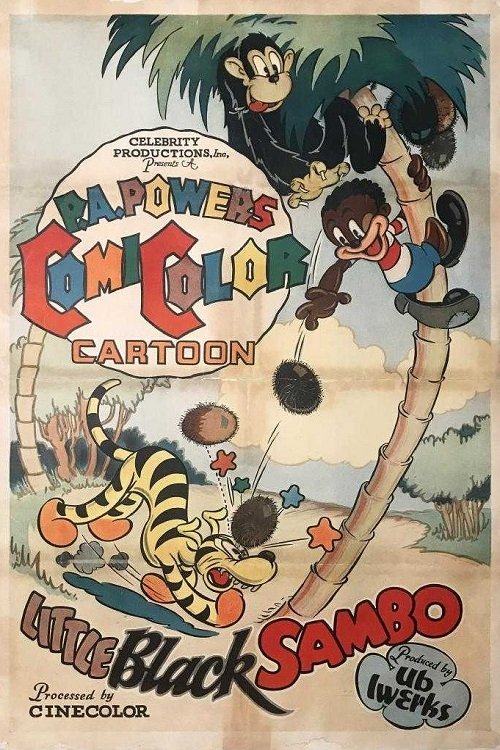
Mammy gives Little Black Sambo a quick scrub on the washboard, then pats him down with baby powder, black baby powder, before sending him off to play. She warns him about the tiger...
1931
1946
1925
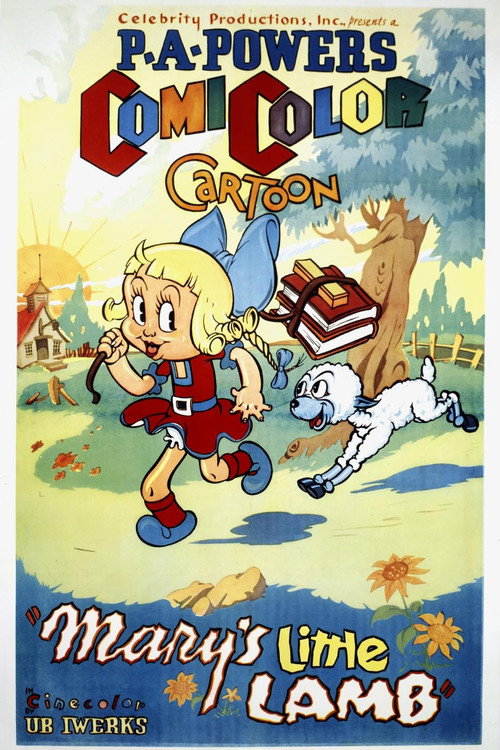
1935
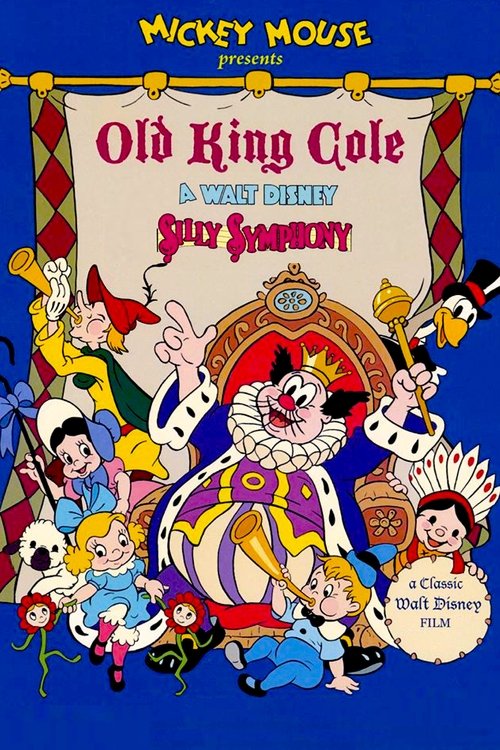
1933
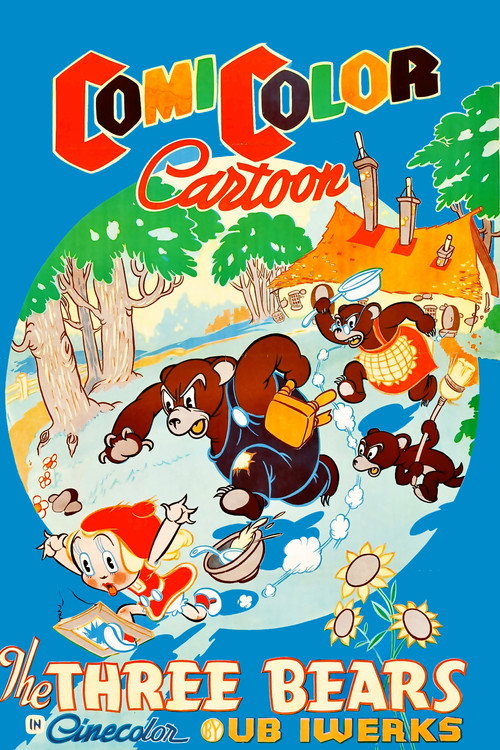
1935

1930
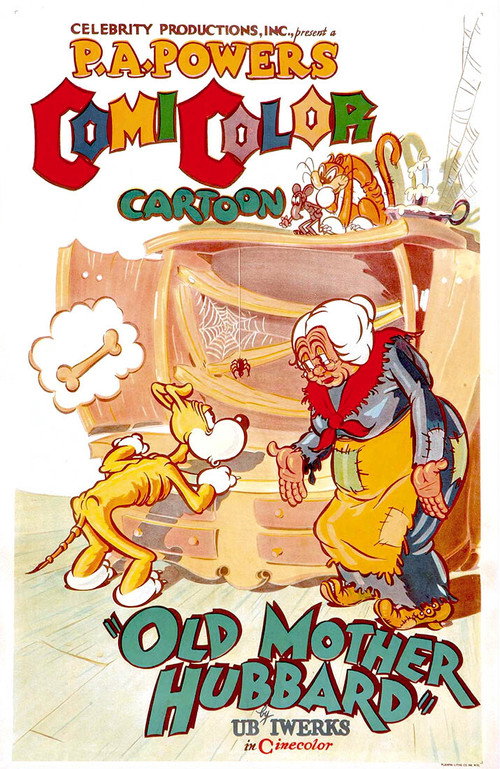
1935
No reviews yet. Be the first to share your thoughts on this movie!
Use the rating form above to leave a star rating and optional review.