Bastards
2010
No user ratings available yet
Representation score: 3.9 out of 10
Representation Score
Fair
2001
Director
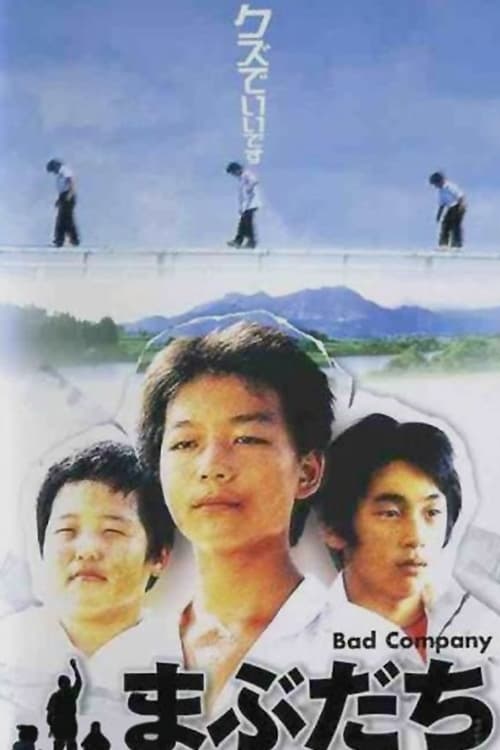
Tomoyuki Furumaya
Runtime
98 minutes
Average Rating
No ratings yetNew Showbiz Analysis
Bad Company is a character-driven drama that deconstructs social hierarchies. By focusing on a student's struggle against a rigid, categorizing teacher, the film offers a sophisticated critique of systemic social control and institutional authority. The film excels at exploring moral ambiguity and the subversion of patriarchal discipline. However, its scope is limited by its demographic setting, resulting in a lack of visible racial, ethnic, or LGBTQ+ diversity.
Category Breakdown
The film does not include any explicit LGBTQ+ characters or narratives. It centers on adolescent male friendships and conflicts with authority figures.
The story critiques traditional masculine leadership through the depiction of a father's physical discipline. The protagonist prioritizes emotional complexity over stoic, traditional masculine archetypes.
Set in a small-town Japanese school in 1980, the film reflects the demographic homogeneity of its setting. It focuses on localized social stratification rather than multi-ethnic representation.
The narrative challenges institutional values by critiquing a dehumanizing 'humanity index.' It explores moral relativism and the complexity of navigating corrupt social systems.
There is no information regarding the depiction of physical, sensory, or neurodivergent disabilities in the provided material.
Present on Screen
Limited or Absent
Official Synopsis
It is 1980. Sadatomo is at a secondary school in a small town. His parents barely take any notice of him. The strict teacher Kobayashi has hung up a 'humanity index' in the classroom, divided into the categories 'delinquents', 'scum' and 'people'. In each category he has hung name-cards of pupils. One day Kobayashi finds out that Sadatomo and his friends have stolen some things from a shop for fun. Their fathers are informed and as punishment, the children have to write a 'self-critical' essay of no less than thirty pages. For the first time, Sadatomo is beaten by his father. Shocked, he writes a piece entitled 'I am an onion', in which the teacher thinks he can detect a first sign of humanity. That is the start of a confusing situation in which it gets hard to distinguish lies, truth, justified self-criticism and opportunist wheeler dealing, even for the boys.
2010
2001
2004

2000

1989

1968
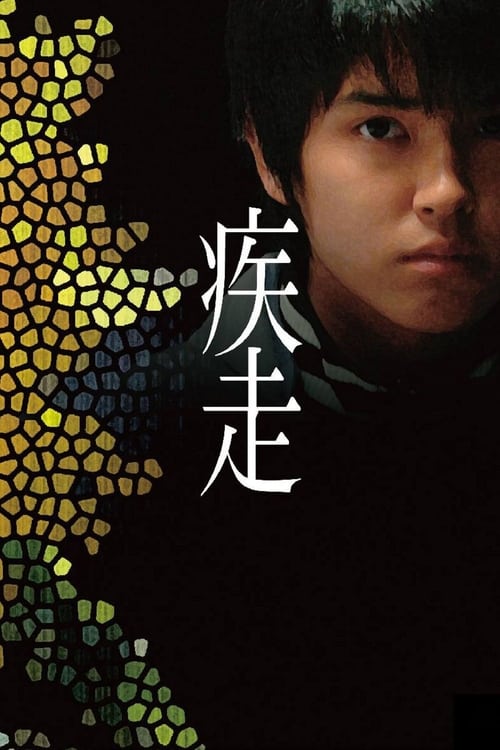
2005
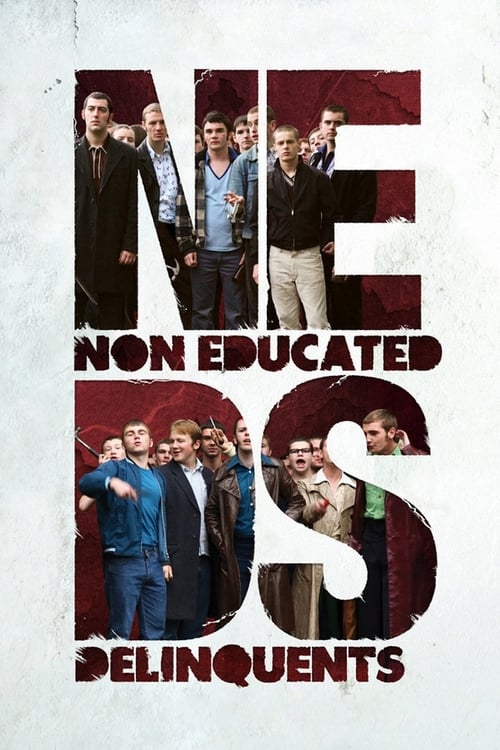
2010
No reviews yet. Be the first to share your thoughts on this movie!
Use the rating form above to leave a star rating and optional review.