Jesus, Mary and Joey
2006
No user ratings available yet
Representation score: 6.5 out of 10
Representation Score
Fair
1997
RDirector
Paul Schrader
Runtime
96 minutes
Average Rating
No ratings yetNew Showbiz Analysis
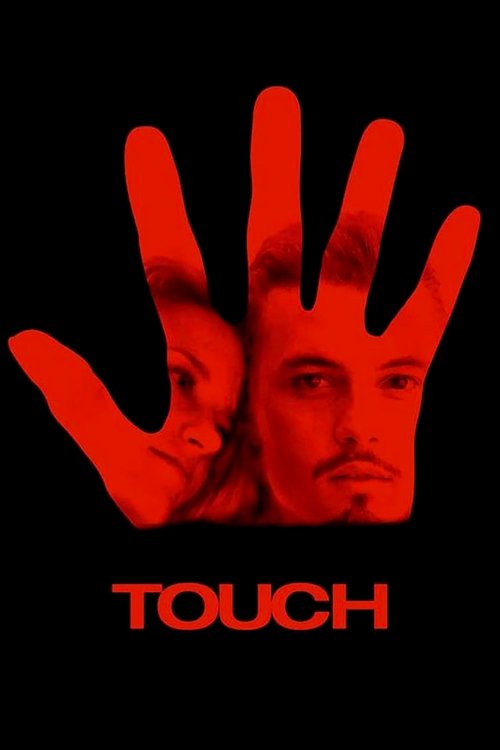
Paul Schrader’s *Touch* is a stylistically sophisticated character study that prioritizes existentialist inquiry over sociopolitical narratives. The film’s structure focuses on the subjective experience of memory and the deconstruction of time, creating a deeply personal and insular experience. Since the narrative is driven by individual psychological exploration, it largely avoids broader systemic power dynamics or identity-based frameworks. The film serves as a formalist exercise in sensory fragmentation, rather than a tool for social critique. Overall, the work lacks the complexity needed to address multiple aspects of identity and remains a traditional psychological drama focused on spiritual struggle through an individualistic lens.
Category Breakdown
The film focuses on traditional heterosexual relationships and does not include characters with non-cisgender identities. It does not challenge the assumption that everyone is straight or cisgender.
The story revolves around a male protagonist's psychological journey. Female characters mainly serve as emotional triggers for his memories and do not have independent roles.
The film portrays a mostly homogeneous urban environment. It does not feature diverse casting or explore ethnic diversity through its characters.
The narrative emphasizes existential themes rather than specific religious beliefs. It does not critically examine Western institutions or organized religion.
The protagonist experiences a metaphysical condition affecting his senses, which is not framed as a disability. The film does not focus on neurodivergence or physical disabilities.
Present on Screen
Limited or Absent
Official Synopsis
At the discovery of his ability to work miracles, Juvenal becomes a media sensation, but now he's prone to those who want to exploit him.
2006
1999
2014

1977

2000

1996
1992

1996
No reviews yet. Be the first to share your thoughts on this movie!
Use the rating form above to leave a star rating and optional review.