Erotic Stories
1980
No user ratings available yet
Representation score: 5.3 out of 10
Representation Score
Fair
1980
Director
Joaquim Pedro de Andrade, Eduardo Escorel, Roberto Palmari, Roberto Santos
Runtime
100 minutes
Average Rating
No ratings yetNew Showbiz Analysis
This anthology uses a multi-director format to explore human sexuality through various short stories. It successfully deconstructs gendered power dynamics and challenges traditional social hierarchies. However, the film lacks explicit LGBTQ+ visibility and does not provide clear evidence of disability representation. The narrative remains focused on heterosexual relationships and traditional social structures, even when subverting them. Ultimately, the work serves as a critique of morality and capitalism, emphasizing individual impulse over established cultural norms.
Category Breakdown
The film focuses primarily on heterosexual relationships and the mechanics of attraction. There is no explicit depiction of LGBTQ+ identities or same-sex intimacy.
Women play a central role in driving the story, especially when they actively seek pleasure. Stories like 'Arroz e Feijão' shift the focus of desire towards female characters.
The stories engage with different social classes in Brazil, including landowners and rural residents. While it touches on class and historical colonization, specific racial representation is not clearly detailed.
The anthology critiques patriarchal and capitalist institutions. Surrealist elements in 'Vereda Tropical' challenge conventional morality and religious standards.
There is no discernible evidence regarding the portrayal of physical or neurodivergent disabilities in these stories.
Present on Screen
Limited or Absent
Official Synopsis
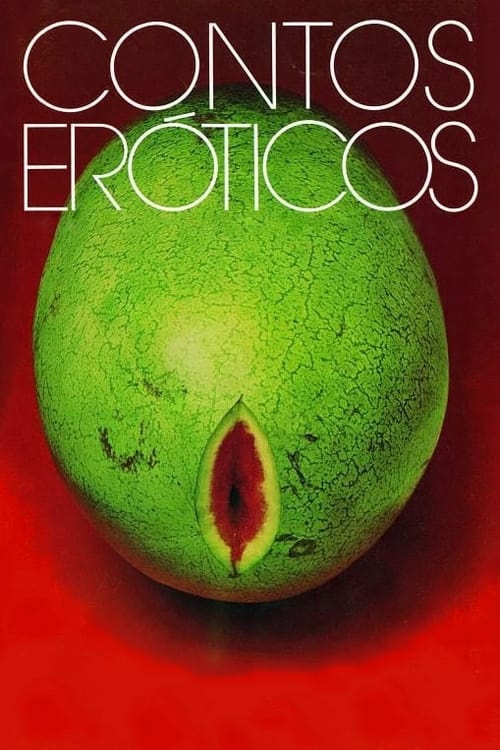
Comedy in 4 segments. In "Arroz e Feijão" (Rice and Beans), owner of a boarding-house seduces her young countryboy tenant. In "As Três Virgens" (The Three Virgins) three spinsters are influenced by the behaviour of their teenager niece, whom they are lodging. In "O Arremate" (The Purchase) a colonist turns his virgin daughter in to a landowner, to have his debts forgiven. And, finally, in "Vereda Tropical" (Tropical Trail), a man becomes sexually obsessed by a watermelon, to the point of having sexual intercourse with it. The stories are based on prize-winner short stories, from a Playboy contest.
1980
1962

1977
1971
1973
1971
1972
1976
No reviews yet. Be the first to share your thoughts on this movie!
Use the rating form above to leave a star rating and optional review.