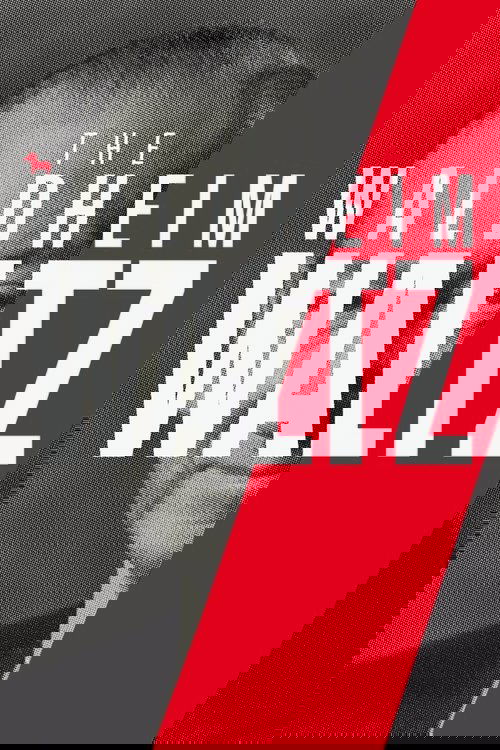
The Waldheim Waltz
2018
No user ratings available yet
Representation score: 3.5 out of 10

Representation Score
Good
1983
Director
Ruth Beckermann
Runtime
91 minutes
Average Rating
No ratings yetNew Showbiz Analysis
Return to Vienna is a sophisticated deconstruction of Austrian history and social stability. By utilizing a postmodern documentary approach, the film challenges official national narratives through the lens of lived experience and historical memory. The work succeeds by centering the worker’s movement and the Jewish experience, effectively disrupting conventional expectations of Austrian identity. It validates the subjective experiences of underrepresented or rebellious groups against a backdrop of oppressive historical shifts. While the film offers strong visibility into ethnic and cultural histories, it lacks specific focus on disability representation. However, its interrogation of institutionalized truths provides a robust framework for social critique.
Category Breakdown
The film captures the social atmosphere of the early 1980s, showcasing emerging queer subcultures within urban youth movements. While not explicitly focused on these identities, the observational lens provides visibility to non-straight social spaces.
The documentary disrupts traditional hierarchies by observing egalitarian social dynamics among Viennese youth. The narrative favors organic interaction over rigid, patriarchal structures, portraying a landscape where gendered authority is increasingly questioned.
The film provides a nuanced look at Vienna's 'Matzah-Island,' highlighting the significant role of the Jewish population. It uses archival footage to emphasize the systemic erasure of ethnic diversity during the rise of National Socialism.
The narrative is deeply critical of traditional Western institutions and bourgeois lifestyles. It explores the friction between individuals and the state, prioritizing subjective experience and anti-capitalist sentiments over official historical dogma.
There is no significant evidence regarding the portrayal of physical or neurodivergent disabilities within the film's thematic overview.
Present on Screen
Limited or Absent
Official Synopsis
Franz West (1909-85) remembers his youth in Vienna: the variety of the Jewish population of the so called Matzah-Island, his commitment to the worker’s movement of the Red Vienna and the rise of Austro-fascism and National Socialism. West’s masterly narration combined with impressing archive footage illustrate and elucidate the complex Austrian history between WW1 and WW2.
2018
1998
1942
1935
2022
1985
2019
2007
No reviews yet. Be the first to share your thoughts on this movie!
Use the rating form above to leave a star rating and optional review.