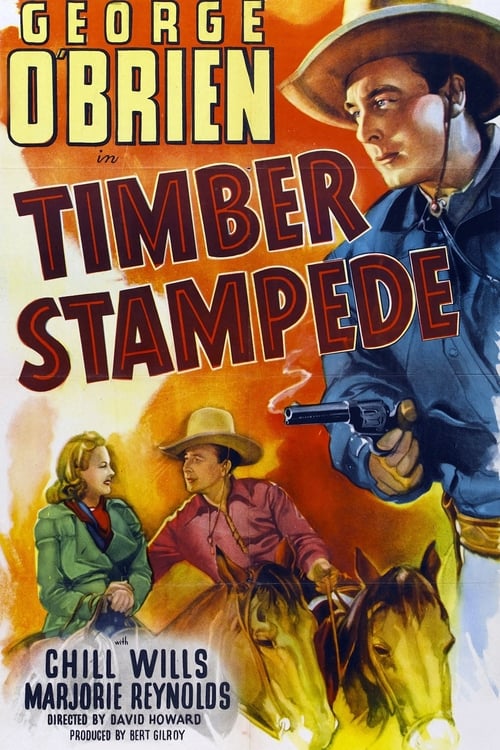
Timber Stampede
1939
No user ratings available yet
Representation score: 1.9 out of 10

Representation Score
Minimal
1944
ApprovedDirector
William C. McGann
Runtime
20 minutes
Average Rating
No ratings yetNew Showbiz Analysis
The film opens with a narrator’s voice describing the "scythe" of industrial logging, setting the stage for a conflict between independent landowners and corporate greed. Bill Cardigan, a rugged logger, stands as the moral center, defending his redwood grove from Dan Fallon, a wealthy outsider who uses legal loopholes to seize land. The camera favors Cardigan’s competence and integrity, framing him as the rightful owner of the land, while Fallon is depicted as a manipulative figure who exploits the law for profit. Lee Roberts, the local woman, rejects her past in a gambling saloon to align with Cardigan’s values, reinforcing the idea that traditional, hardworking life is superior to urban vice. The film’s argument is that the rule of law and independent ownership are the true guardians of justice, contrasting them against the corrupting influence of corporate power. However, this argument is undermined by the film’s own depiction of the legal system as a tool for the powerful, with Fallon using technicalities to displace small landowners. The ending, where Cardigan prevails, suggests that moral righteousness can overcome legal manipulation, but it does so without challenging the underlying structures that allow such exploitation. The film’s sold meaning is a defense of traditional American values, where the individual landowner is the hero and the corporate entity is the villain. Yet, the film’s internal logic reveals a tension: the law is both the tool of oppression and the means of redemption, a contradiction that the film resolves by privileging the moral authority of the protagonist over the legal framework.
Category Breakdown
The cast is entirely heterosexual, with romance framed through traditional courtship and protection. No same-sex intimacy or non-normative identity markers appear on screen.
Lee Roberts functions as the moral compass and romantic prize, while Bill Cardigan directs labor and resolves conflict. Women are passive recipients of male action; no female character holds economic or physical agency.
The cast is entirely white, reflecting the 1944 studio default. Non-white characters are not depicted, and racial dynamics remain unmarked within the narrative’s focus on class and land ownership.
The film positions the independent landowner and the rule of law as moral ideals, contrasting them against corporate greed. Family heritage and earned wealth are treated as virtuous, while the legal system is the ultimate arbiter.
No characters display physical or cognitive impairments. The body is used solely for labor and physical confrontation, with no narrative focus on disability or medical conditions.
Present on Screen
Limited or Absent
Official Synopsis
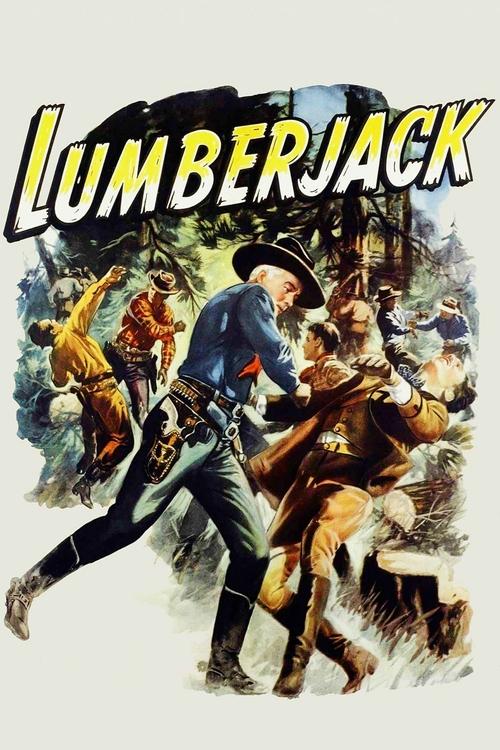
California logger Bill Cardigan must save his stand of redwoods from being bought by unscrupulous Dan Fallon, a logging company owner from Michigan.
1939
1940

1941
1941
1937
1944

1950

1960
No reviews yet. Be the first to share your thoughts on this movie!
Use the rating form above to leave a star rating and optional review.