
Nobody's Watching
2017
No user ratings available yet
Representation score: 6.2 out of 10
Representation Score
Good
2012
Director
Rainer Frimmel, Tizza Covi
Runtime
90 minutes
Average Rating
No ratings yetNew Showbiz Analysis
The film serves as a character study of psychological isolation rather than a showcase for demographic diversity. It avoids typical Hollywood formulas, opting for a quasi-documentary realism that examines human vulnerability. While the film does not feature prominent markers of racial or LGBTQ+ representation, it earns credit for breaking down social roles. It shifts the focus from middle-class success to the precariousness of existence and the struggles of the underrepresented. Ultimately, the work succeeds in challenging institutional norms through its focus on mental instability and the tension between individual identity and societal structures.
Category Breakdown
The film does not include explicit representations of LGBTQ+ identities or relationships that go beyond the assumption that everyone is straight. Instead, it focuses on the protagonist's psychological journey and his connection to a recently discovered relative.
The story centers on a male character's psychological breakdown. It challenges traditional masculine stereotypes by showing a protagonist who has little control over his actions and experiences emotional vulnerability rather than strength.
Set in Vienna and Hamburg, the film reflects the demographic homogeneity of these European cities. There is no indication of a diverse cast or non-Anglo-Saxon majority.
The narrative criticizes the bourgeois lifestyle by focusing on the struggles of those who are underrepresented. It prioritizes raw, existential truths over the established social norms and middle-class stability.
The film explores themes of psychological detachment and mental fragility. It treats the protagonist's internal instability as a complex part of his identity rather than a means for inspiration.
Present on Screen
Limited or Absent
Official Synopsis
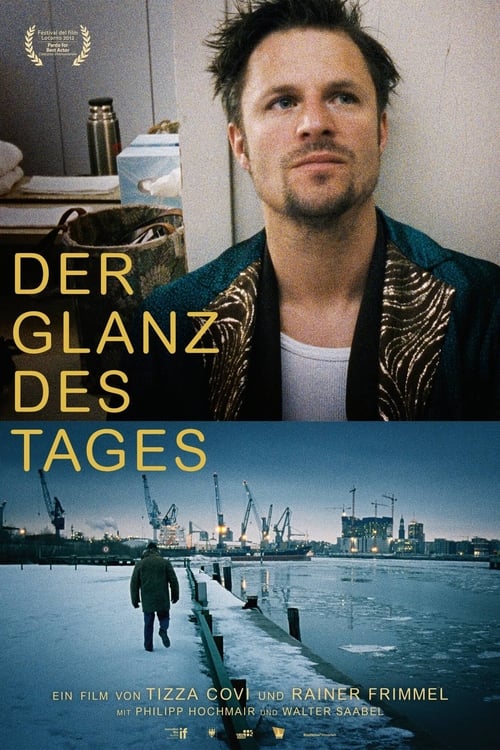
Phillip Hochmair is a young, successful actor with engagements at big theatres in Vienna and Hamburg. His life is marked by learning new texts by heart, rehearsals, and performances, thus gradually losing contact with the reality of everyday life. Only when he meets his uncle Walter, whom he didn't know about before and establishes an ambiguous friendship with, and also faces his neighbour Victor’s destiny, he discovers with full force how cruel the daily battle for survival can be.
2017

2021

2012

2018

2014

2014

2015

2008
No reviews yet. Be the first to share your thoughts on this movie!
Use the rating form above to leave a star rating and optional review.