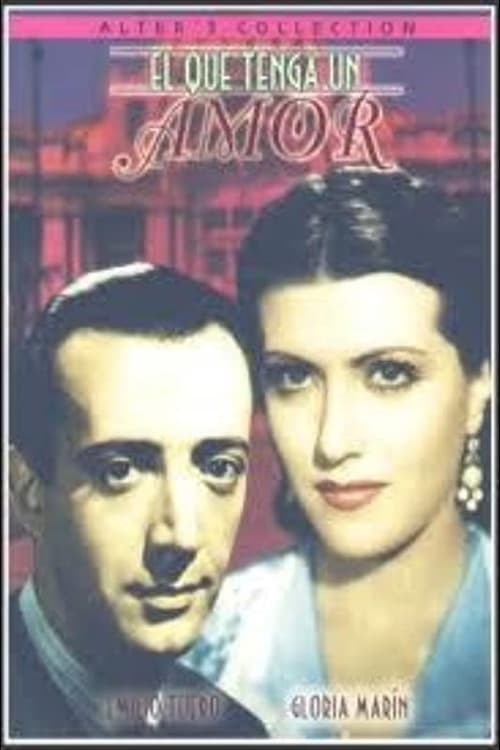
El que tenga un amor
1942
No user ratings available yet
Representation score: 2.2 out of 10
Representation Score
Limited
1941
ApprovedDirector
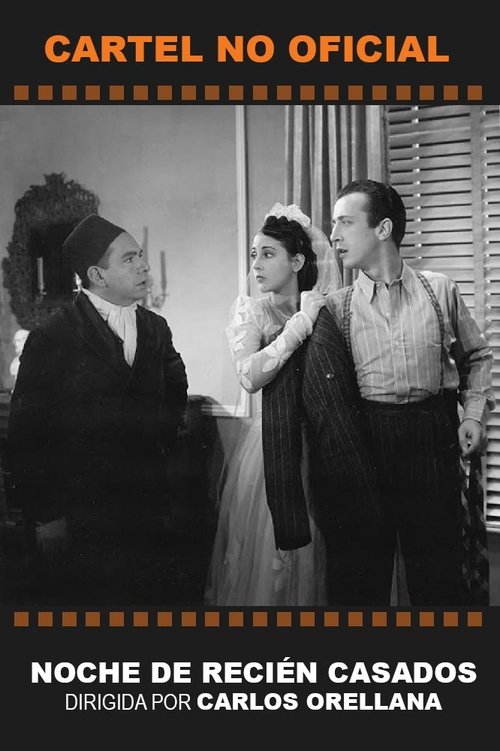
Carlos Orellana
Average Rating
No ratings yetNew Showbiz Analysis
Noche de recién casados is a product of the Golden Age of Mexican cinema, reflecting the social and domestic norms of the early 1940s. The film upholds traditional values without challenging them. It lacks intentionality in subverting identity norms, relying instead on the era's standard archetypes. The focus is on communal and religious cohesion rather than progressive or characters who reflect more than one aspect of diversity. Ultimately, the film serves as a historical snapshot of mid-century Latin American values, emphasizing conventional family structures and ethnic homogeneity over diverse or disruptive storytelling.
Category Breakdown
The film does not depict any non-binary or LGBTQ+ identities and focuses on heterosexual relationships typical of 1941 Mexican cinema.
Female characters likely play central roles but are confined to traditional feminine roles. The narrative follows the gender norms of the era.
The cast is ethnically uniform, reflecting the cultural context of the Mexican film industry at the time. It does not feature modern multi-layered casting.
The story emphasizes traditional values, such as family unity and social harmony. It does not critique Western or religious institutions.
There are no characters with visible or invisible disabilities in the film's narrative.
Present on Screen
Limited or Absent
1942

1961
1944
1967
1962
1951
1945

1956
No reviews yet. Be the first to share your thoughts on this movie!
Use the rating form above to leave a star rating and optional review.