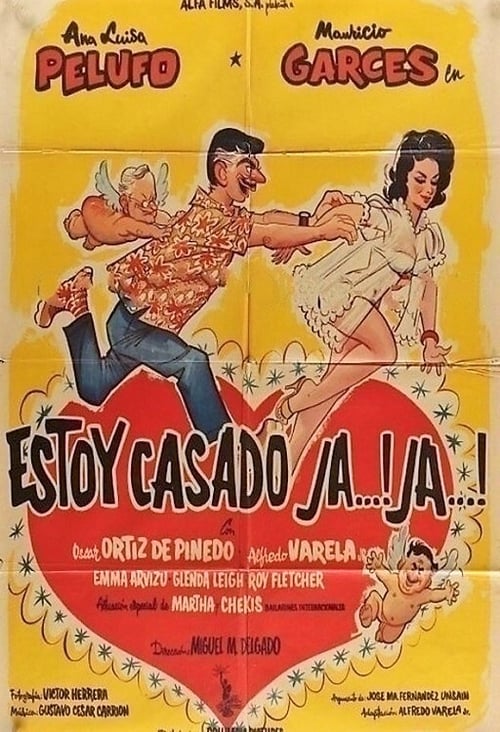
Estoy casado, ja, ja
1962
No user ratings available yet
Representation score: 2.9 out of 10

Representation Score
Minimal
1956
Director
León Klimovsky
Runtime
88 minutes
Average Rating
No ratings yetNew Showbiz Analysis
Viaje de novios is a quintessential mid-century comedy that adheres to the social hierarchies of the 1950s. The narrative prioritizes conventional romantic structures and traditional social rituals, such as weddings and courtship. The film lacks complexity in reflecting multiple aspects of identity or systemic critiques. Instead, it focuses on the comedic friction found within established social institutions and the nuclear family model. Ultimately, the work serves as a representative example of standard cinematic output from its era, reinforcing rather than challenging the cultural norms of the time.
Category Breakdown
The film operates within a strictly straight-focused framework. The narrative centers on a traditional marriage between a man and a woman, with no evidence of LGBTQ identities.
The plot relies on traditional gender stereotypes and patriarchal institutions. While Ana expresses displeasure with Juan's behavior, showing she has a role in driving the story, the overall structure reinforces conventional domestic expectations.
The story features movement between Africa, Buenos Aires, and Spain. However, the focus remains on Western characters, with no indication of meaningful racial integration or active roles for non-white characters.
The film celebrates traditional social milestones and the institution of marriage. It emphasizes the stability of the nuclear family rather than offering any secularist or anti-Western critique.
There are no visible or invisible disabilities portrayed in the narrative. No characters are identified as having specific physical or neurodivergent traits.
Present on Screen
Limited or Absent
Official Synopsis
Specialized in arranging weddings, Federico arranges marriage by proxy between Ana and Juan, two friends of his who do not know each other. Juan arrives by plane to Spain after spending ten years of safari in Africa, hoping to meet his wife, who arrives the same day from Buenos Aires. At the airport, Fernando receives him and they go to the bar to wait for Ana. But everything starts badly, because during the wait Juan drinks too much and gets drunk. When Ana arrives, she is displeased to meet her husband in such condition. Then Fernando takes them to a hotel for newlyweds where they meet other happy couples and where a peculiar honeymoon begins.
1962

1995

1947

1952
1950
1972

1962
1989
No reviews yet. Be the first to share your thoughts on this movie!
Use the rating form above to leave a star rating and optional review.