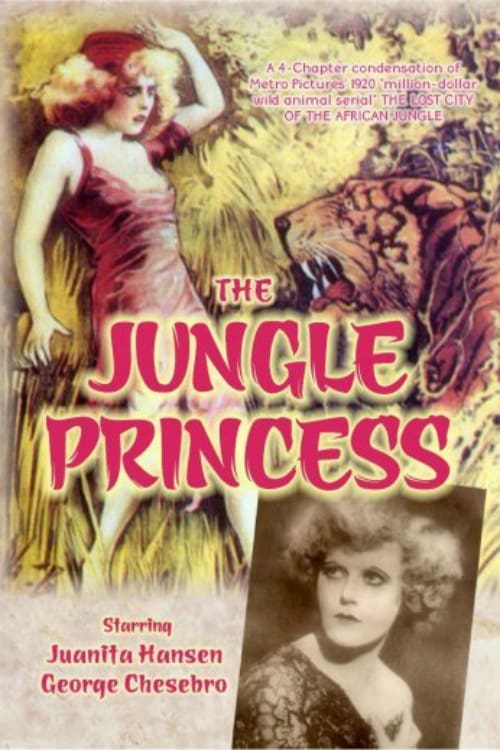
The Jungle Princess
1920
No user ratings available yet
Representation score: 1.2 out of 10
Representation Score
Limited
1918
PassedDirector
James W. Horne, Louis J. Gasnier
Runtime
300 minutes
Average Rating
No ratings yetNew Showbiz Analysis
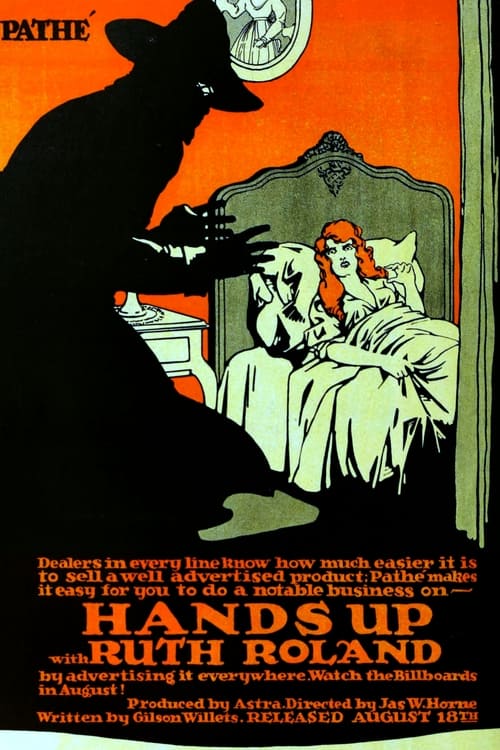
Hands Up is a traditional adventure film that offers limited progressive depth. While the female protagonist exhibits professional independence, the film’s structure remains tied to the conventions of its era. The narrative relies heavily on colonial-era clichés, particularly through the use of an Inca tribe as a plot device. This framing often prioritizes Western perspectives over authentic cultural representation. Ultimately, the film operates as a conventional genre piece. It provides a departure from purely Anglo-centric settings but fails to challenge the social hierarchies prevalent in 1918 cinema.
Category Breakdown
The film does not include non-cisgender identities or same-sex relationships. It follows traditional romantic storylines typical of the silent era.
A female newspaper reporter embodies professional independence and self-reliance. Her central role challenges some passive stereotypes found in early adventure films.
The inclusion of an Inca tribe as a key plot element drives the narrative. However, this setup may reinforce colonialist power dynamics through exoticism.
The story uses Western adventure clichés with foreign cultures serving as backdrops. It adheres to traditional structures without offering nuanced cultural critiques.
The film does not feature any characters with visible or invisible disabilities.
Present on Screen
Limited or Absent
Official Synopsis
A newspaperwoman finds trouble aplenty when an Inca tribe believes her to be the reincarnation of their long-lost princess.
1920
1931
1934

1927
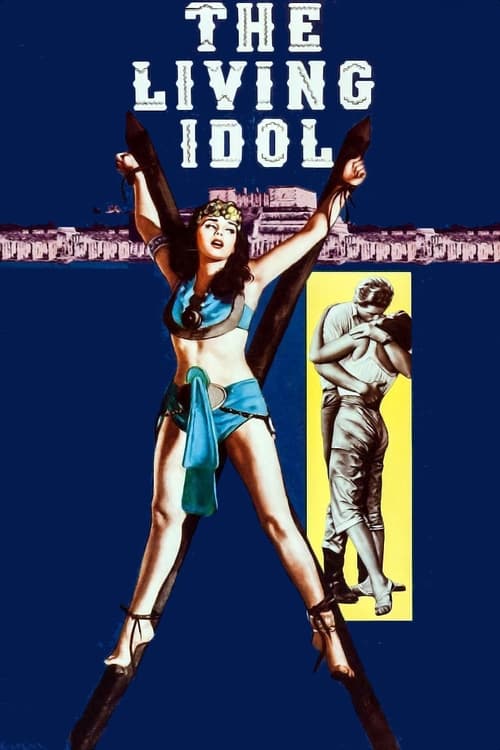
1957
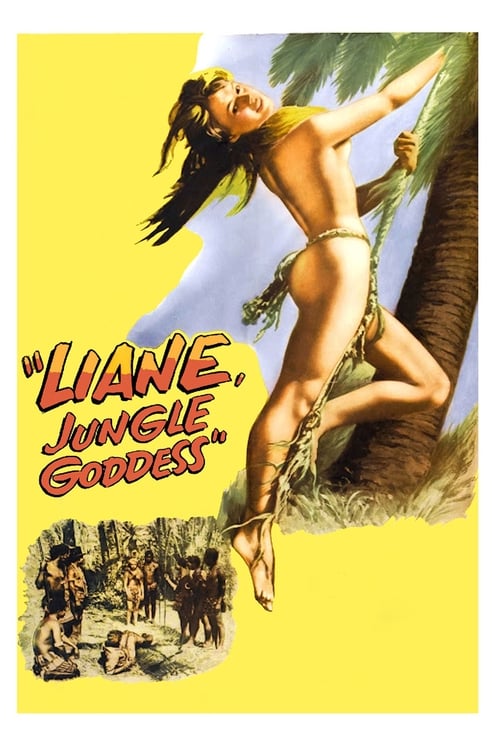
1956
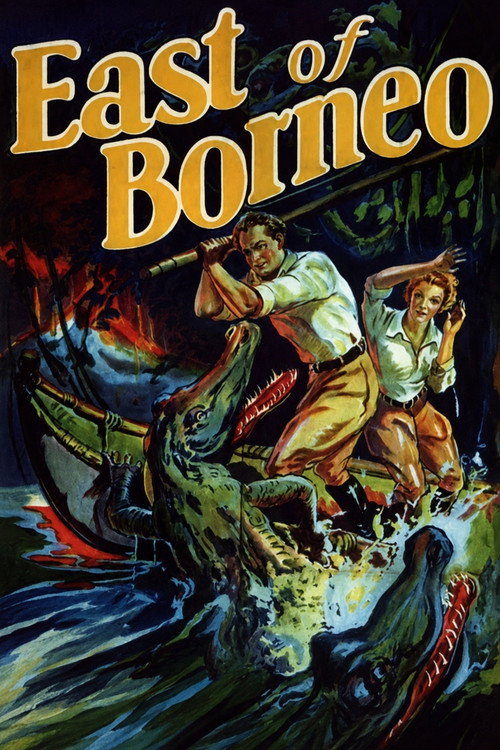
1931
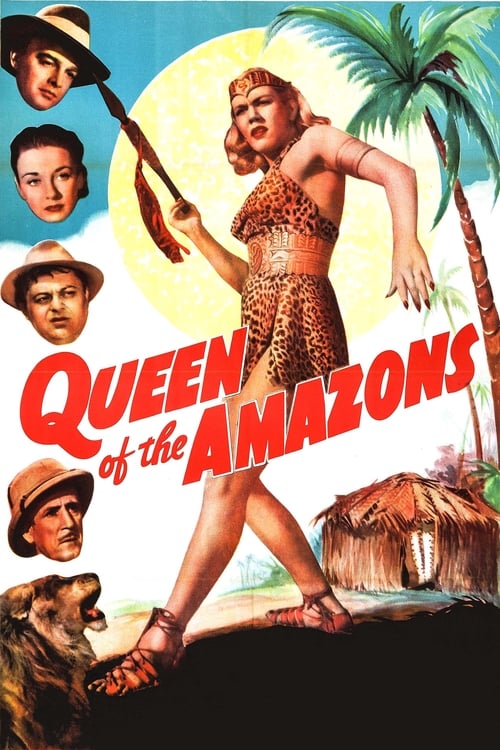
1947
No reviews yet. Be the first to share your thoughts on this movie!
Use the rating form above to leave a star rating and optional review.