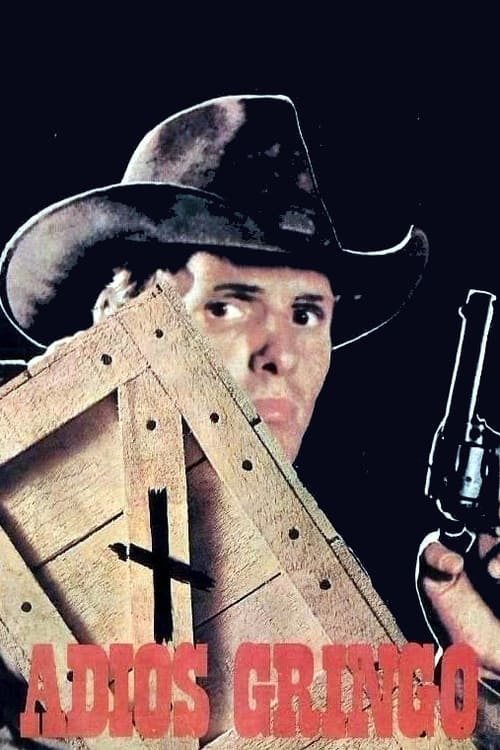
Adiós Gringo
1965
No user ratings available yet
Representation score: 1.3 out of 10
Representation Score
Minimal
1967
Director
Nando Cicero
Runtime
95 minutes
Average Rating
No ratings yetNew Showbiz Analysis
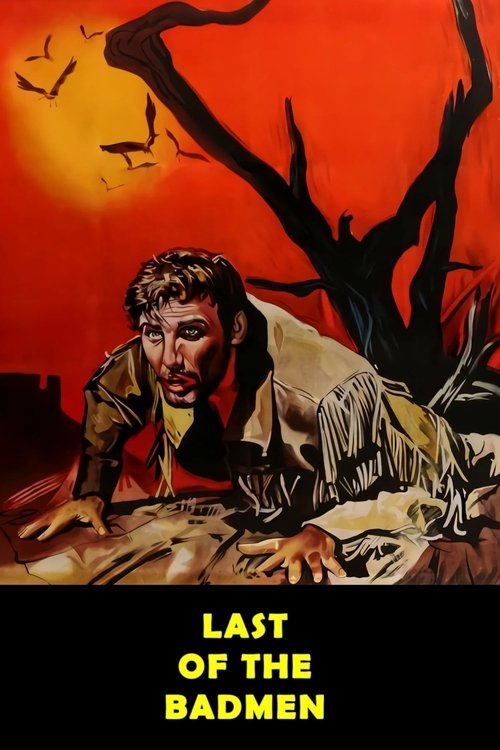
Last of the Badmen is a quintessential Spaghetti Western that prioritizes genre clichés over multi-layered representation. The film operates within the traditionalist social constraints of its era, focusing on survivalism and moral ambiguity. The narrative structure is heavily centered on masculine-coded conflict and patriarchal frameworks. While the film moves away from absolute heroism by featuring an unjustly accused protagonist, it does not actively work to disrupt established social hierarchies. Ultimately, the production remains a product of its time, emphasizing the 'outlaw vs. lawman' archetype without incorporating diverse identities or inclusive character development.
Category Breakdown
The film follows 1960s Western conventions and does not include non-binary gender identities or narratives that challenge the assumption that everyone is straight or cisgender. It focuses on masculine-coded conflicts.
Male characters like Kitosch and Joshua Tracy play significant roles in driving the story. Female characters act as catalysts for male action but do not drive the plot themselves.
The film reflects typical mid-century Western demographics, with white protagonists fitting the outlaw archetype. There is no indication of diverse casting.
The narrative explores moral relativism through an unjustly accused protagonist. It depicts the chaos of lawlessness without offering a systemic critique of Western institutions.
There are no characters with physical or neurodivergent disabilities. Disability is not used as a theme or a tool for character development.
Present on Screen
Limited or Absent
Official Synopsis
Kitosch is charged with a crime he did not commit and joins up with Joshua Tracy, a vicious outlaw. When Tracy kidnaps and blackmails his former employer Kitosch redeems himself by saving them.
1965
1972
1967
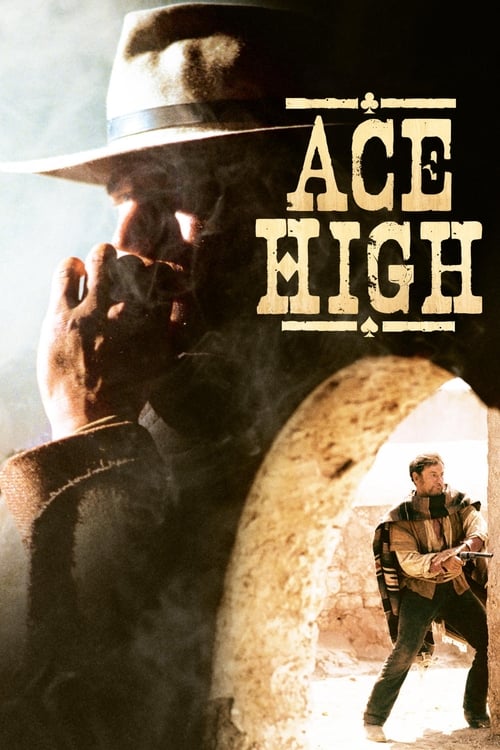
1968
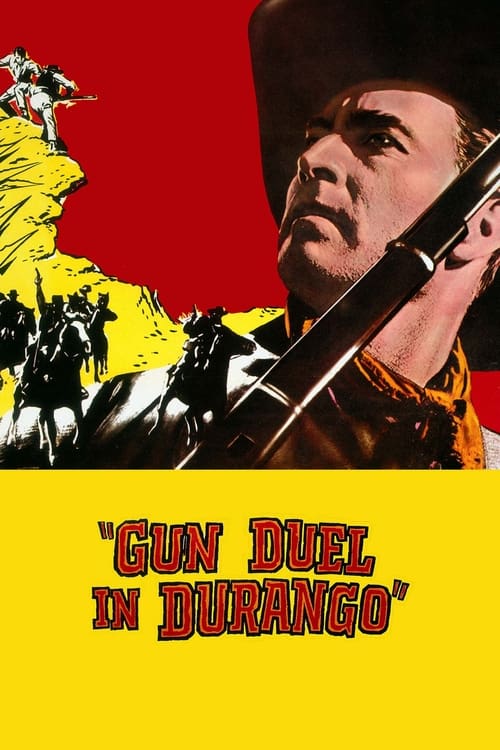
1957
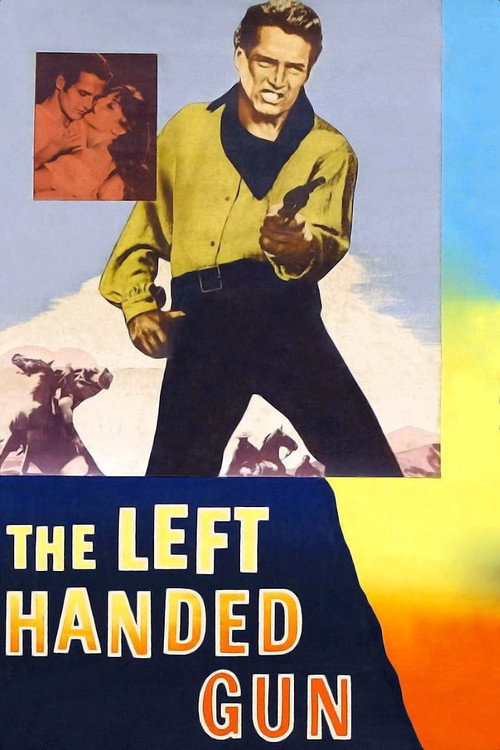
1958
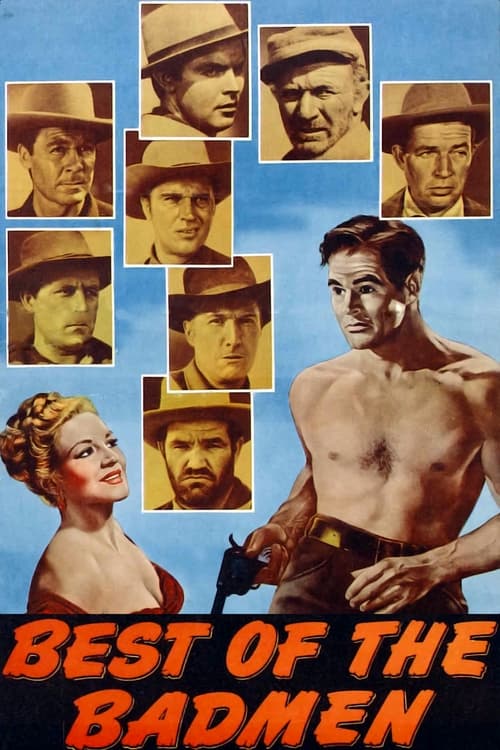
1951
1960
No reviews yet. Be the first to share your thoughts on this movie!
Use the rating form above to leave a star rating and optional review.