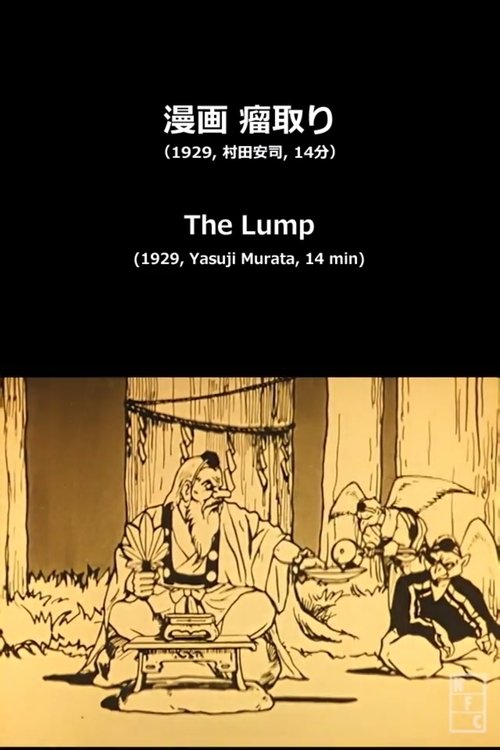
The Lump
1929
No user ratings available yet
Representation score: 3.8 out of 10
Representation Score
Minimal
1909
Director
Émile Cohl
Runtime
1 minutes
Average Rating
No ratings yetNew Showbiz Analysis
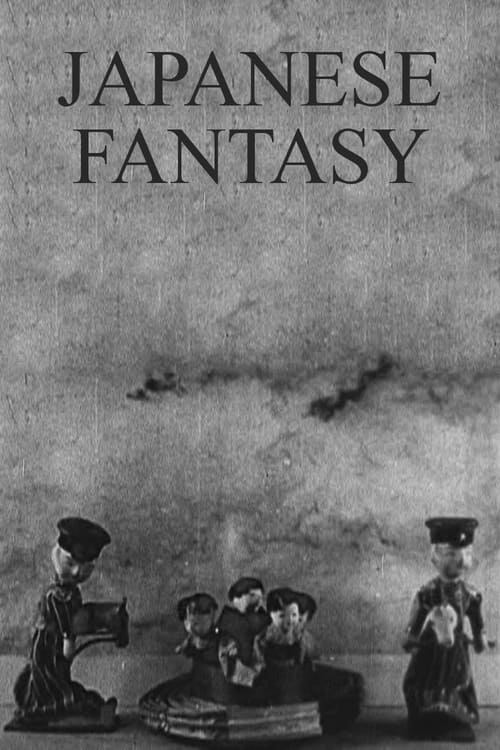
Émile Cohl’s *Japanese Fantasy* is a foundational work of early animation that prioritizes metamorphic fluidity over traditional narrative. Since the film functions as a series of surreal illusions rather than a character-driven drama, it lacks the structural framework needed to engage with complex social hierarchies or identity-based narratives. The focus on shape-shifting objects such as chickens, mice, and grasshoppers precludes the development of human characters and thus prevents addressing gender, sexual orientation, or disability. While the film utilizes Japanese motifs, it treats these elements as aesthetic textures for an orientalist fantasy, lacking the depth or ability to act required for meaningful racial or cultural representation.
Category Breakdown
The film does not explore gender identity or sexual orientation. There is no characterization, dialogue, or interpersonal dynamics related to LGBTQ+ themes.
The narrative focuses on the movement of objects like lanterns and dolls, and does not include human characters with established gender roles.
The film suggests engagement with Japanese aesthetics, but it appears to be an orientalist fantasy rather than a deliberate attempt to represent diverse cultures.
The work does not engage with religious or institutional frameworks. It exists as a formalist exploration of animation without socio-political commentary.
There are no depictions of physical or neurodivergent identities. The abstract nature of the line drawings does not allow for disability representation.
Present on Screen
Limited or Absent
Official Synopsis
This subject presents a remarkably clever series of illusions in which a Japanese lantern, several dolls, chickens, mice and grasshoppers play a very prominent part.
1929
2018
1955
1992

1921
1943

1914

1984
No reviews yet. Be the first to share your thoughts on this movie!
Use the rating form above to leave a star rating and optional review.