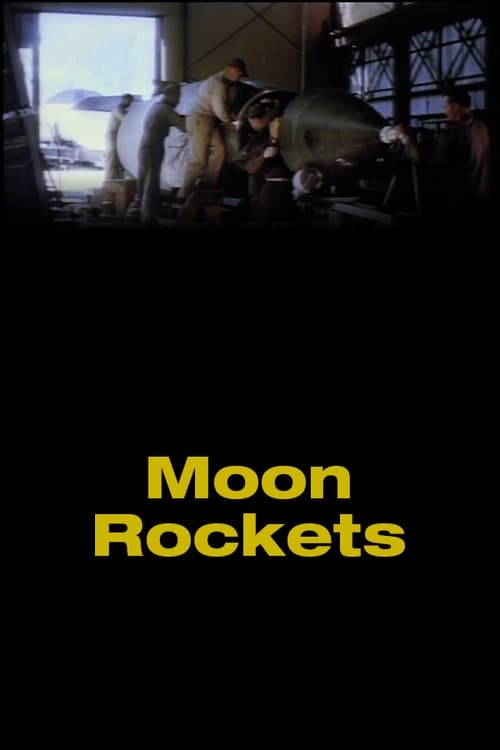
Moon Rockets
1947
No user ratings available yet
Representation score: 1.1 out of 10

Representation Score
Minimal
1960
GDirector
Jerry Fairbanks
Runtime
15 minutes
Average Rating
No ratings yetNew Showbiz Analysis
The Big Bounce serves as a technical chronicle of the Echo communications satellite program. Its main goal is to document the optimism and progress of telecommunications transitioning to orbital platforms. Since the film is focused on technical achievements rather than character development, it lacks the complexity needed for nuanced social representation. As a product of the 1960s, the film naturally reflects the demographic composition of the scientific community during that era. It emphasizes institutional milestones and technical achievements over identity-based storytelling, leading to a narrow social scope. Ultimately, the documentary functions as a historical record of technological expansion. It reinforces the traditional hierarchies and homogeneous demographics characteristic of the aerospace and engineering sectors of the time.
Category Breakdown
The film does not include any LGBTQ+ characters or explore issues related to gender identity.
The narrative centers on male engineers and scientists, reflecting the hierarchical structures typical of the 1960s STEM fields.
The film depicts a specific American technological achievement from the 1960s, likely reflecting the homogeneous demographics of the aerospace industry during that time.
The documentary highlights Western technological advancements and institutional successes, adhering to a traditional mid-century narrative of American infrastructure development.
The film does not integrate subjects with visible or invisible disabilities into its narrative or scientific process.
Present on Screen
Limited or Absent
Official Synopsis
The story of the Echo communications satellite program, developed by Bell Laboratories, that eventually resulted in telephone calls being able to be made through satellites.
1947

1989
1968

2018
2017

2007

1969

2022
No reviews yet. Be the first to share your thoughts on this movie!
Use the rating form above to leave a star rating and optional review.