
First to the Moon
2018
No user ratings available yet
Representation score: 0.4 out of 10
Representation Score
Minimal
2019
Director
Charles-Antoine de Rouvre
Runtime
102 minutes
Average Rating
No ratings yetNew Showbiz Analysis
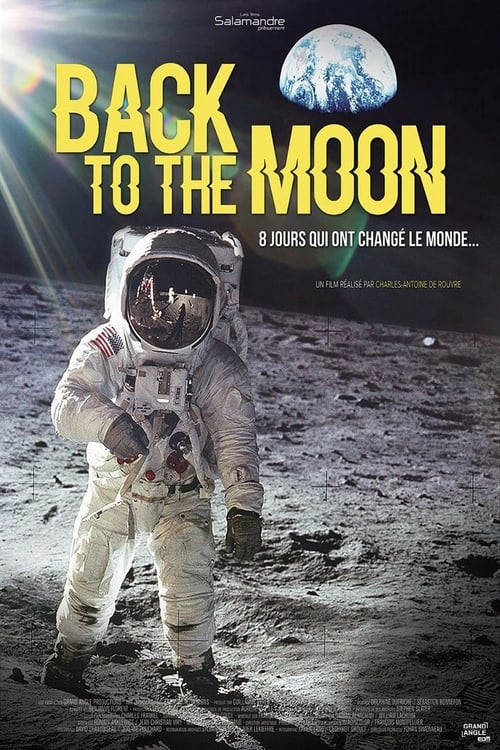
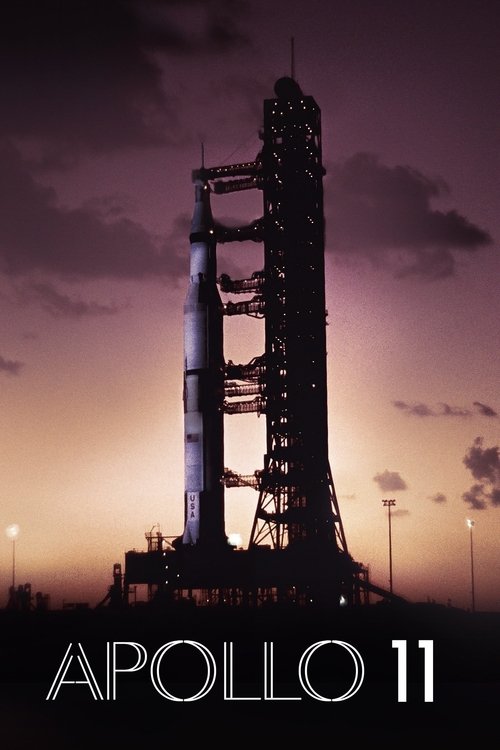
Back to the Moon acts as a sensory time capsule, using a rhythmic montage of Apollo mission audio and historical news broadcasts. It prioritizes historical fidelity over modern social perspectives, immersing viewers in the 1969 zeitgeist through archival footage. Since the film relies entirely on period-accurate materials, it inherently mirrors the social hierarchies of the late sixties. The lack of diversity is a byproduct of its commitment to preserving the era's specific cultural and systemic realities. Ultimately, the documentary functions as a celebration of Western institutional achievement. It does not attempt to challenge or disrupt the traditional structures of the time, but rather presents them as they were.
Category Breakdown
The film contains no LGBTQ+ characters or narratives. Since it is an archival documentary focusing on 1969 space missions, it lacks any representation of queer identities.
Men play the central roles, reflecting the gender hierarchies and masculine archetypes of the late 1960s. Women have limited roles, reinforcing the societal norms of the time.
The visual landscape is dominated by white subjects, reflecting the socio-political realities of the era and the lack of diverse voices in the space program.
The film celebrates Western technological triumph and patriotism, presenting a cohesive view of historical milestones through a specifically Western lens without broader cultural critiques.
There is no discernible representation of individuals with physical or neurodivergent disabilities. The focus remains strictly on the technical aspects of the lunar mission.
Present on Screen
Limited or Absent
Official Synopsis
Back to the Moon has amazing footage, amazing music and great editing. There is no narration but composition of videos and pictures with Apollo conversations and then TV anchorman's commentaries. Taken all together, it really made me feel a part of the 1969 and helped me to see how big step for mankind happened on 20 January of the same year.
2018

2007
2005
1989
2015
2022
2009
2019
No reviews yet. Be the first to share your thoughts on this movie!
Use the rating form above to leave a star rating and optional review.