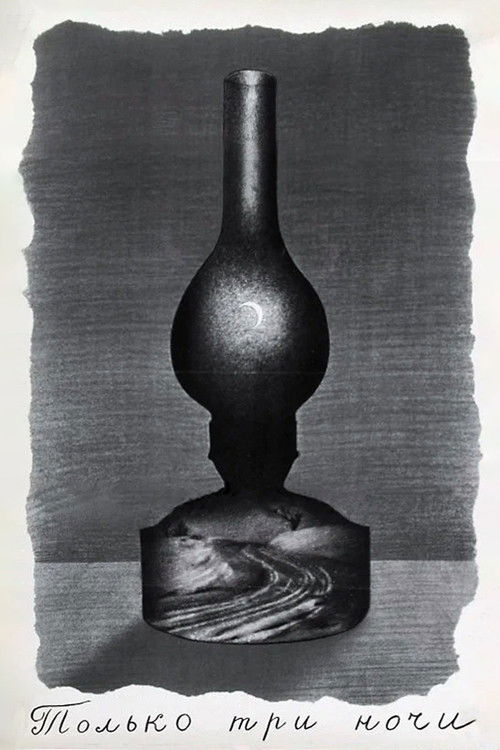
Only Three Nights
1969
No user ratings available yet
Representation score: 4.7 out of 10
Representation Score
Limited
1973
Director
Rodion Nahapetov
Runtime
82 minutes
Average Rating
No ratings yetNew Showbiz Analysis
The film explores the tension between individual desires and collective social responsibilities. It moves away from the idea of isolated prosperity towards the social cohesion of the village community. While the film lacks modern markers like LGBTQ+ or disability representation, it delves into the subversion of traditional domestic hierarchies. The narrative prioritizes communal engagement over isolated individualism. Ultimately, the film challenges the traditional value of the self-sufficient family unit by highlighting social participation as the true realization of character.
Category Breakdown
The film centers on a traditional romantic relationship between a man and a woman. It does not include any representation of LGBTQ+ identities or same-sex relationships.
The female lead shows a significant role in driving the story by leaving her husband's prosperous home. Her choice to break free from domestic isolation challenges the stereotype of the submissive wife.
The setting seems to be a homogeneous social environment. The story focuses on class-based structures within village life rather than ethnic diversity.
The story emphasizes collectivism over individual interests. It criticizes the isolated nuclear family by promoting communal celebrations and social integration over personal success.
There is no evidence of characters with physical or neurodivergent disabilities in the film.
Present on Screen
Limited or Absent
Official Synopsis
Thirties. Fyodor Bazyrin, who had built up a strong household, fell in love with a village girl, so much so that he almost stole her from under the crown and took her to his farm, where he married the girl he loved. They were happy. But time passed and the young woman was drawn to a new life. She was no longer satisfied with working for the benefit of her personal life in isolation from the common village festivities and everyday life and decided to leave the farm.
1969
1958
1956
1964
1979
1956

1967
1960
No reviews yet. Be the first to share your thoughts on this movie!
Use the rating form above to leave a star rating and optional review.