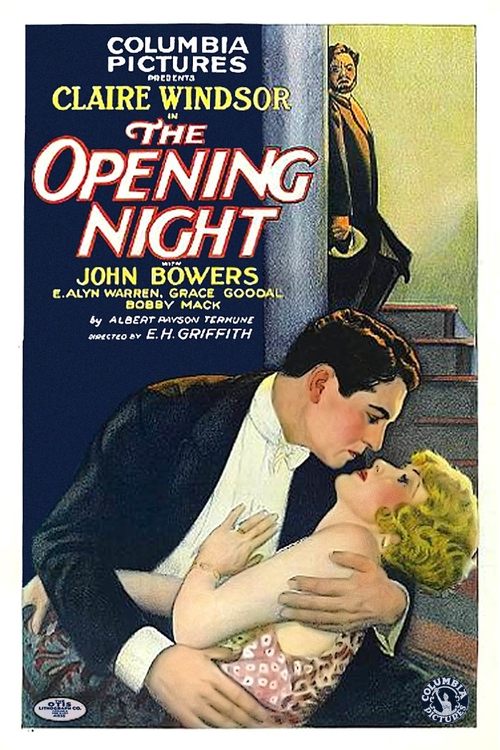
The Opening Night
1927
No user ratings available yet
Representation score: 1.2 out of 10
No Poster Available
Representation Score
Limited
1915
ApprovedDirector
T. Hayes Hunter
Runtime
56 minutes
Average Rating
No ratings yetNew Showbiz Analysis
Judy Forgot is a conventional silent-era melodrama that relies heavily on established social clichés. The narrative is driven by a protagonist's amnesia, which functions more as a tool for mistaken identity than a meaningful exploration of disability. The film adheres strictly to the social norms of 1915, centering on a traditional nuclear family structure. This focus on domesticity and identity reclamation offers little disruption to the era's cultural or gender hierarchies. Ultimately, the work lacks significant representation of diverse identities or subversions of the status quo, functioning instead as a standard period drama.
Category Breakdown
The film does not include any characters with non-straight or non-cisgender identities. The plot centers around a traditional family structure with a husband and children.
A woman is the main character, but her role is limited by her amnesia. The story emphasizes her domestic life rather than challenging gender roles.
The film likely reflects the homogeneous casting practices of 1915, with no indication of diverse casting or non-white actors.
The story reinforces traditional Western institutions like the nuclear family. It follows a conventional path of identity reclamation within a stable social framework.
Memory loss is used as a plot device to create mistaken identity scenarios. The film lacks a nuanced portrayal of cognitive disabilities.
Present on Screen
Limited or Absent
Official Synopsis
A woman who has been in a train wreck and lost her memory is mistaken for a vaudeville star, complete with a husband and several children.
1927
1942
1936
2001
1940
1955
1930

1941
No reviews yet. Be the first to share your thoughts on this movie!
Use the rating form above to leave a star rating and optional review.