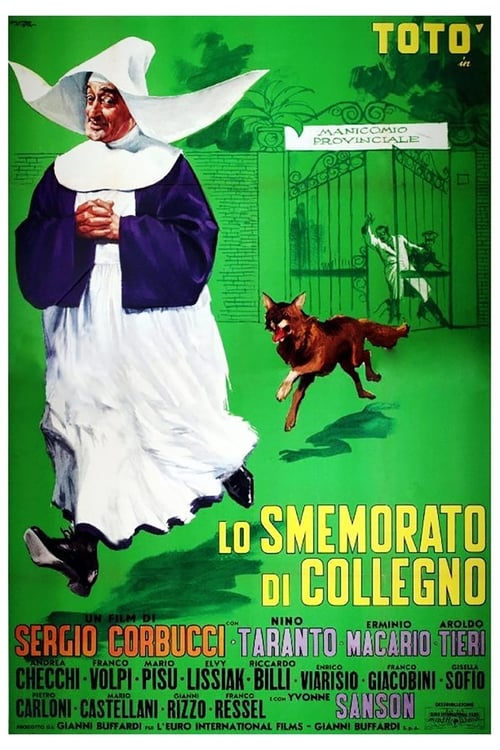
Lo smemorato di Collegno
1962
No user ratings available yet
Representation score: 4.2 out of 10
Representation Score
Limited
1936
Director
Nunzio Malasomma, Mario Bonnard
Runtime
65 minutes
Average Rating
No ratings yetNew Showbiz Analysis
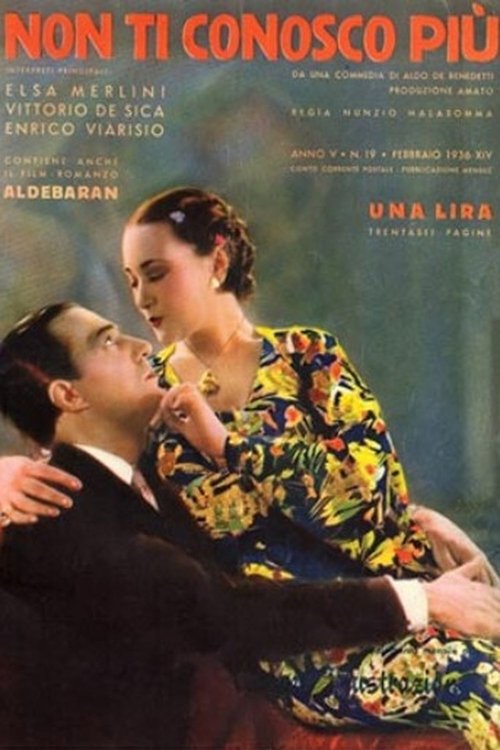
This 1936 comedy adheres closely to the social norms and demographic characteristics of its time. The narrative emphasizes traditional domestic structures and a homogeneous social setting. The film uses psychological conditions and marital conflicts as tools for situational humor. It prioritizes restoring the status quo over any progressive messaging. Overall, the film functions as a conventional period piece that lacks representation for LGBTQ+ identities, diverse ethnicities, or nuanced portrayals of disability.
Category Breakdown
The film focuses on a traditional heterosexual marriage, with no representation of non-binary gender identities or same-sex relationships.
The story relies on clichés of unhappy housewives and unstable men. The male character is portrayed as stable and authoritative, while the female character is shown as emotionally unstable.
Reflecting the demographics of 1936 Italy, the film lacks a diverse cast. The story is set in a small, homogeneous community.
The themes align with traditional views on marriage common in the mid-20th century. The plot focuses on personal psychological issues rather than criticizing societal or religious structures.
Amnesia is used as a comedic plot device, focusing on situational humor rather than exploring the complexities of neurodivergence.
Present on Screen
Limited or Absent
Official Synopsis
After an argument with her husband, an unsatisfied wife suffers from selective amnesia. She doesn't recognize the man she married and calls her doctor husband instead.
1962

1944
1980

1940

1959

2023

1941
1930
No reviews yet. Be the first to share your thoughts on this movie!
Use the rating form above to leave a star rating and optional review.