Fantômas
1932
No user ratings available yet
Representation score: 1.6 out of 10
Representation Score
Limited
1933
K-16Director
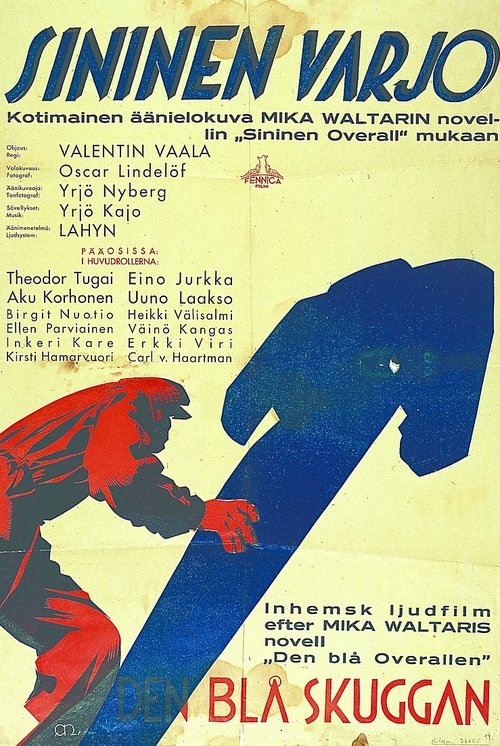
Valentin Vaala
Runtime
91 minutes
Average Rating
No ratings yetNew Showbiz Analysis
Sininen varjo is a period-specific crime thriller that closely mirrors the demographic norms of early 20th-century Northern Europe. While it avoids some common clichés, it remains limited by its historical context. The film's strength lies in its character-driven tension and the significant roles played by its female leads. Raila Tuulo acts as a moral compass, driving the protagonist's redemption, which offers a more nuanced gender dynamic compared to typical era-specific dramas. However, the narrative lacks depth in representing multiple aspects of identity. The focus on a culturally uniform population and traditional romantic structures result in a lack of representation for LGBTQ+ and racial diversity.
Category Breakdown
The film does not include any explicit LGBTQ+ characters or non-straight relationships. The plot revolves around traditional romantic tensions between the male protagonist and two female characters.
Raila Tuulo plays a significant role in driving the story and influencing the protagonist's life, rather than being a passive figure. The inclusion of the vampish Iris Vild suggests a move beyond simple domestic archetypes.
The film reflects the homogeneous social landscape of 1933 Finland. There is no evidence of non-white or diverse casting within the narrative.
The story explores moral reformation and urban instability through a crime narrative. However, it follows traditional restorative morality rather than challenging established social norms.
There is no information regarding characters with physical, sensory, or neurodivergent disabilities in the available records.
Present on Screen
Limited or Absent
Official Synopsis
The director's daughter, Raila Tuulo, is the only one who has seen the burglar terrorizing the city, the mysterious "Blue Overalls," and recognizes him as Joel Ormak. Under Raila's influence, Joel gives up his wild lifestyle and his former love interest, the vampish Iris Vild. But a murder takes place at a nightclub, and the victim's last words are Joel's name. Approximately 16 minutes of footage and excerpts from the film have been preserved.
1932
1958
1955
1922
1960
1953
1944
1940
No reviews yet. Be the first to share your thoughts on this movie!
Use the rating form above to leave a star rating and optional review.