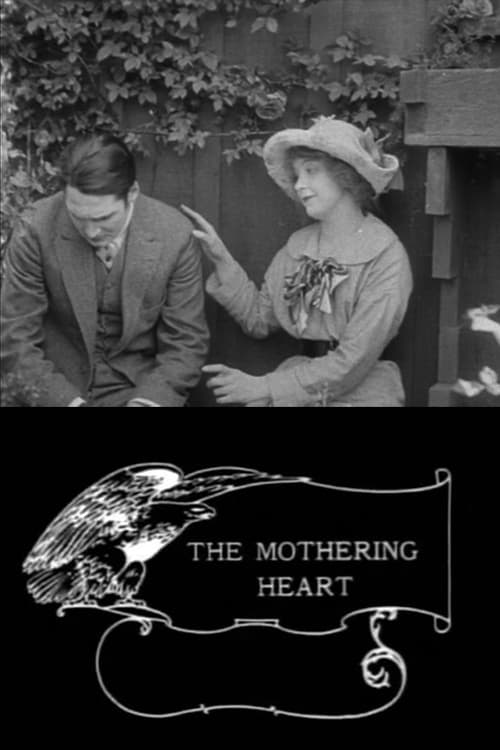
The Mothering Heart
1913
No user ratings available yet
Representation score: 0.3 out of 10
Representation Score
Minimal
1909
NRDirector
D.W. Griffith
Runtime
6 minutes
Average Rating
No ratings yetNew Showbiz Analysis
Two Memories is a classic early melodrama that follows the social and gender norms of 1909. The narrative depends on well-known clichés, such as the tragic dying lover and the emotionally unstable socialite, to create its emotional journey. Since the film operates within a traditional framework, it offers very little representation of diverse identities. It supports existing hierarchies rather than challenging them, focusing instead on a conventional romantic tragedy. Overall, the film lacks the complexity needed for layered representation, serving as a straightforward example of the era's dramatic storytelling.
Category Breakdown
The film focuses on a typical heterosexual relationship between Henry and Marion. It does not include any characters with non-binary gender identities or same-sex relationships.
Marion is shown as a stereotypical 'society girl,' emphasizing her emotional instability. Despite her active role in visiting Henry, her character adheres to early 20th-century melodramatic gender roles.
The cast seems uniform, reflecting a specific Western social class. There is no evidence of racial diversity or non-white characters.
The story upholds traditional Western values and focuses on personal regret. It does not question social or institutional structures, instead reinforcing conventional morality.
Henry's sickness serves primarily as a plot device to create a tragic conclusion. The film does not explore disability or give the character much independence regarding their health.
Present on Screen
Limited or Absent
Official Synopsis
Henry and Marion have a lover's quarrel and part in anger. They do not reconcile, and ten years pass without contact. Marion becomes a society girl and spends her time at parties with her friends. Henry has become very ill and wishes to see Marion one more time. He writes asking her to visit. When she recieves the note, she laughs and tosses it on the floor, but, later, on a whim, decides to take all her drunken friends with her to visit him. When they arrive, Marion finds Henry dead, clutching her portrait in his hand. She sends her friends away and falls to her knees in remorse. Mary Pickford's debut!
1913
1920
1913
1921
1912

1923

1909
1938
No reviews yet. Be the first to share your thoughts on this movie!
Use the rating form above to leave a star rating and optional review.