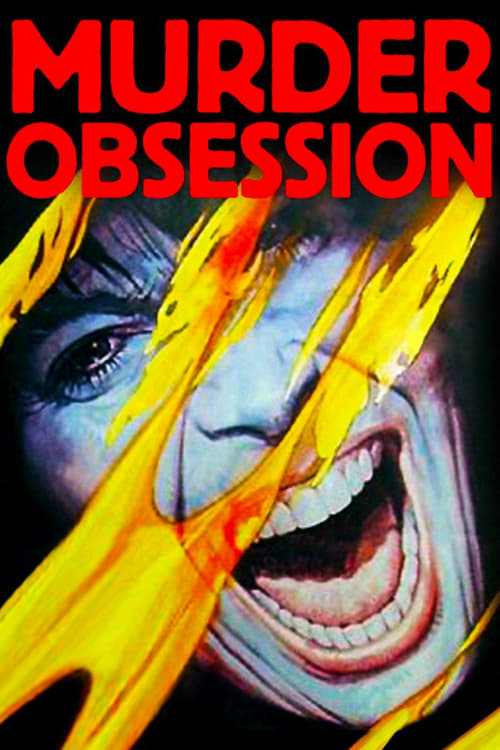
Murder Obsession
1981
No user ratings available yet
Representation score: 3.5 out of 10
Representation Score
Limited
1971
RDirector
Guido Zurli
Runtime
83 minutes
Average Rating
No ratings yetNew Showbiz Analysis
The film adheres closely to the conventions of 1970s exploitation horror, focusing on individual psychological horror and mystery. It prioritizes the use of character identities, such as mental health, as functional plot devices to drive the horror elements. The film lacks diverse representation, relying instead on established clichés. It presents a singular, violent domestic tragedy within a homogeneous European setting, avoiding any subversion of traditional social structures. Ultimately, the work functions as a traditional genre piece, emphasizing character-driven horror without engaging in deeper social commentary.
Category Breakdown
The film centers around a typical family conflict and does not include any non-traditional gender identities or critiques of traditional gender norms. There is no exploration of LGBTQ+ themes.
The storyline revolves around a conventional marital dynamic where the female character's role is defined by her involvement in a troubled marriage that ultimately leads to her demise. This reinforces traditional gender roles and marital dysfunction.
The setting implies a homogeneous European environment with no indication of a diverse cast or engagement with multiple racial backgrounds. The film does not explore the intersection of race and gender.
The narrative delves into themes of mental instability and criminal behavior but does not critique Western societal or religious norms. It follows a standard horror progression without challenging social constructs.
Mental health issues play a central role in the plot, but the portrayal leans heavily on the 'madman' stereotype. Mental instability is used as a violent catalyst rather than a nuanced character development.
Present on Screen
Limited or Absent
Official Synopsis
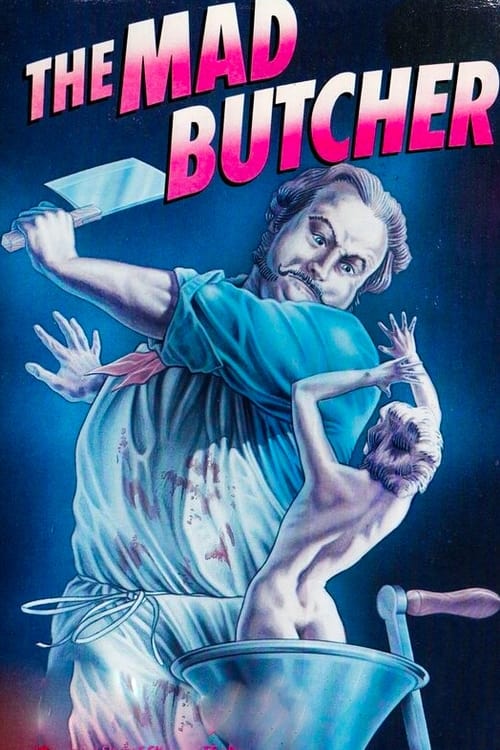
After being released from a mental hospital, Otto returns to his old job as a butcher. He tries to adjust to his new life, but after a bitter argument with his wife, he accidentally kills her. Fearing he will be sent back to the hospital, he grinds up her body and sells it as sausages. As friends and relatives start asking questions about her disappearance, they too start ending up in the butcher's display case.
1981
1970
1974
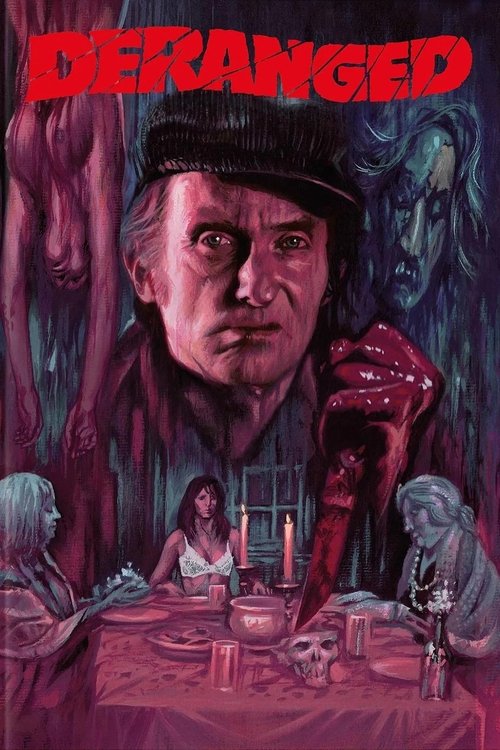
1974
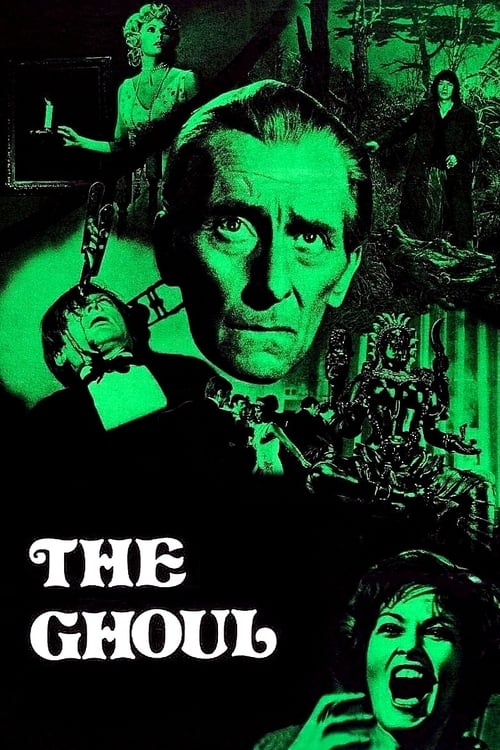
1975
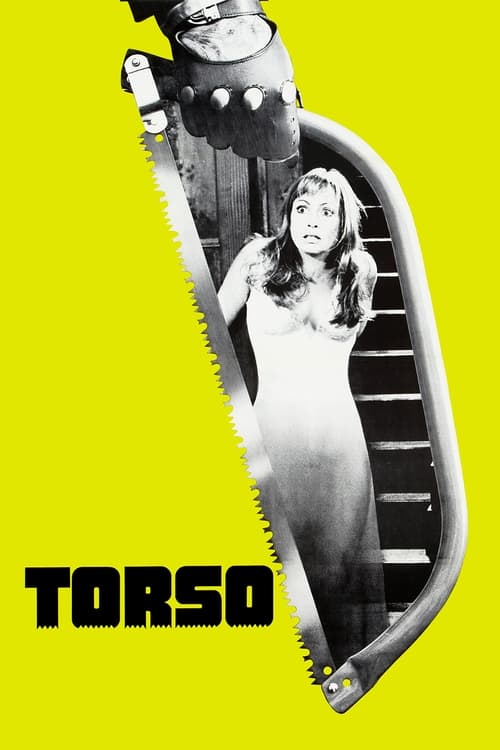
1973
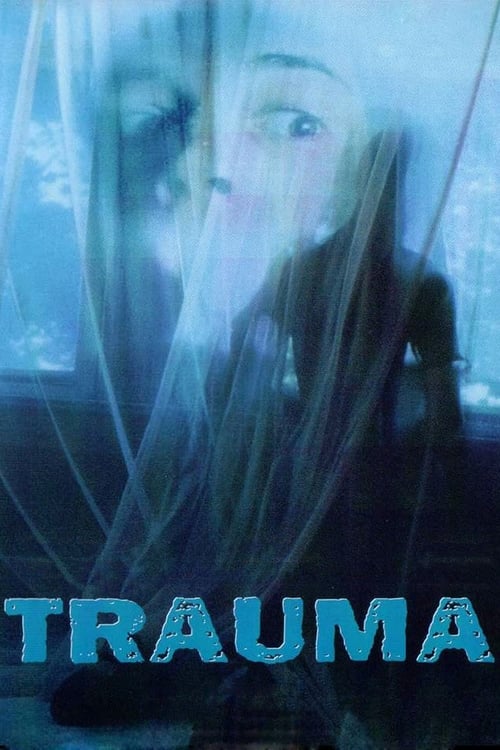
1993
1971
No reviews yet. Be the first to share your thoughts on this movie!
Use the rating form above to leave a star rating and optional review.