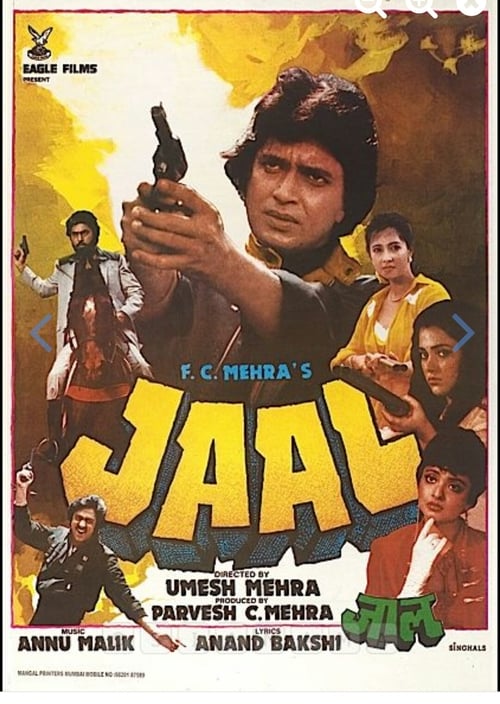
Jaal
1986
No user ratings available yet
Representation score: 1.4 out of 10
Representation Score
Fair
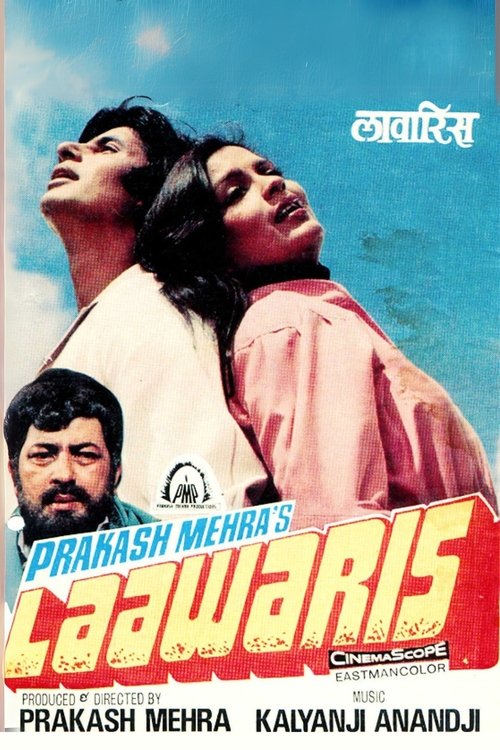
1981
Director
Prakash Mehra
Runtime
203 minutes
Average Rating
No ratings yetNew Showbiz Analysis
Laawaris examines identity politics and class struggle within an urban setting influenced by colonial history. It successfully dismantles corrupt elites and centers the experiences of the disenfranchised working class. However, the film adheres to the social norms of its time, lacking progressive representation for gender and LGBTQ+ identities. It relies on traditional archetypes for its female characters. Ultimately, the film's strength lies in its critique of social and economic injustices rather than its broad demographic representation. It offers a narrative of systemic disruption and class-based justice.
Category Breakdown
The film does not include any LGBTQ+ characters or non-straight relationships. The romantic storyline focuses solely on traditional heterosexual pairings involving the protagonist and Mohini.
Female characters mainly act as emotional anchors, appearing as maternal figures or romantic interests. The narrative does not significantly challenge traditional male leadership, focusing instead on male-driven conflicts.
The cast is predominantly South Asian with no Western actors. The film uses socioeconomic differences to explore the lives of the urban working class.
The story criticizes capitalist systems by portraying the wealthy elite as corrupt. It promotes moral relativism, where righteousness is defined by the struggle against oppressive social structures.
The film does not explicitly address physical or neurodivergent disabilities. Chronic alcoholism is used as a narrative device for the character Gangu Ganpat.
Present on Screen
Limited or Absent
Official Synopsis
Left in the care of an alcoholic Gangu Ganpat, young Heera, who named himself after a stray dog, wrestles with life in his young age. Years later, now a young man , he works for Mahendar Singh and is in love with Mohini, who will not have anything to do with him due to his lack of ancestry. Heera is now determined to find out who his parents are, and the only one who can help him is the elusive, alcohol-induced and incoherent Gangu Ganpat.
1986

2002

1982

1982

1989
1985
2024

2004
No reviews yet. Be the first to share your thoughts on this movie!
Use the rating form above to leave a star rating and optional review.