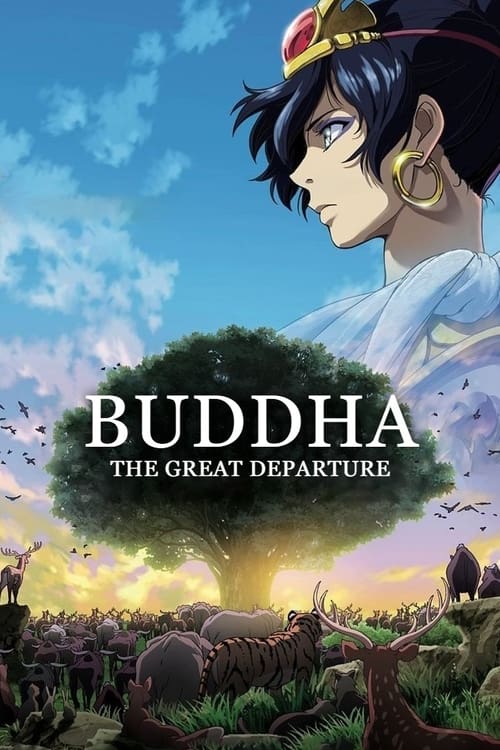
Buddha: The Great Departure
2011
No user ratings available yet
Representation score: 3.5 out of 10
Representation Score
Excellent
2014
Director
Toshiaki Komura
Runtime
120 minutes
Average Rating
No ratings yetNew Showbiz Analysis
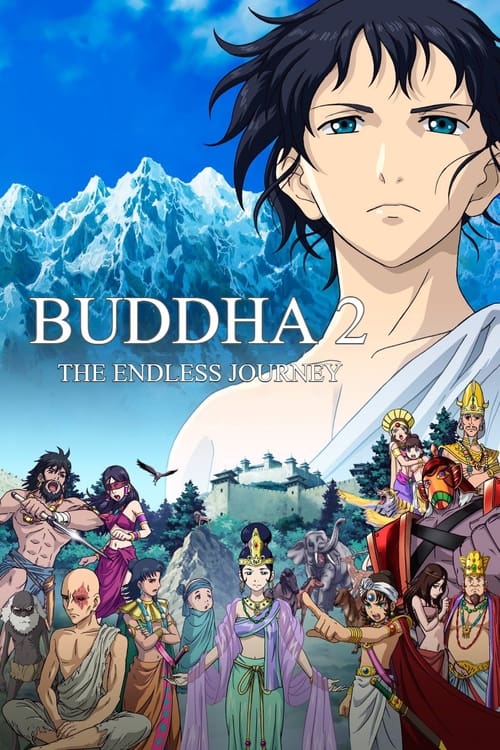
Buddha 2: The Endless Journey stands out through its focus on philosophical questions rather than traditional heroic stories. By placing the narrative in an ancient Indian context, the film avoids the Western-centric storytelling common in global animation. The film's strength lies in its ability to challenge power structures, such as royalty and caste, through Siddhartha's spiritual journey. It uses diverse characters and settings to explore the complexities of the human condition and systemic suffering. While the film excels in cultural and racial representation, it lacks explicit markers for LGBTQ+ identities or same-sex intimacy. However, its focus on non-traditional companionship and the subversion of patriarchal leadership offers a nuanced and thoughtful perspective.
Category Breakdown
The film does not show same-sex intimacy or non-cisgender identities directly. Instead, it focuses on unique bonds, like Siddhartha's friendship with Assaji, which go beyond typical heterosexual relationships.
Siddhartha rejects his princely status and the expectations of being a powerful man. His journey from political power to spiritual seeking challenges traditional ideas of masculinity and leadership.
The film centers on an ancient Indian setting and avoids a Western perspective. It highlights the diverse inhabitants of the Shakya clan and Kosara kingdom, showing a rich cultural tapestry.
The film emphasizes secular spirituality and questions institutional power. By following a protagonist who leaves his caste behind, the story critiques the corruption found in established social and political systems.
Including a one-eyed monk suggests an effort to integrate physical differences into the story. This character is an important part of the journey rather than just a stereotype.
Present on Screen
Limited or Absent
Official Synopsis
2500 years ago, in India, Siddhartha was born as a prince of the Shakya clan, but he gives up his position as a prince to see the world. He meets a strange boy named Assaji, who can predict the future, a monk with only one eye and Depa. Siddhartha continues traveling. Siddhartha is overwhelmed by the sufferings he witnesses around him. Meanwhile, Prince Ruri of Kosara begins his attack on the Shakya clan. Second Buddha movie from Tezuka Productions.
2011
2015

2020

2011

2006
2007

2019

2017
No reviews yet. Be the first to share your thoughts on this movie!
Use the rating form above to leave a star rating and optional review.