
Dark Night, October 17, 1961
2005
No user ratings available yet
Representation score: 4.8 out of 10
Representation Score
Good
2008
Director
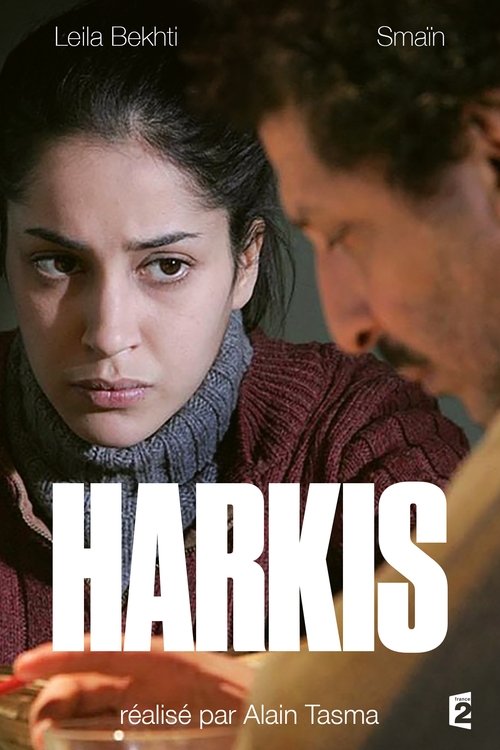
Alain Tasma
Runtime
98 minutes
Average Rating
No ratings yetNew Showbiz Analysis
Harkis is a sophisticated post-colonial drama that centers North African voices. It succeeds by shifting away from Western-centric views to explore Algerian identity and the specific trauma of displacement. The film's strength lies in its refusal to offer simple moral choices. Instead, it examines the systemic abandonment of those who served colonial interests, framing survival as a response to impossible pressures. While the film excels in racial and cultural depth, it remains within traditional frameworks regarding gender and identity. It prioritizes historical and familial struggle over broader explorations of neurodivergence or LGBTQ+ representation.
Category Breakdown
The film emphasizes familial survival and traditional romance. It does not include non-straight or non-gender-conforming identities or stories that challenge the assumption that everyone is straight or cisgender.
Leila challenges patriarchal structures by rejecting the status quo. Her significant role in driving the story provides a nuanced look at women's ability to lead change.
The film highlights North African identities and the specific historical trauma faced by the Harki community. It goes beyond surface-level representation to give characters of color a strong role in the story.
The film criticizes Western institutions and the French state's betrayal. It portrays the camp as an oppressive administrative structure rather than a place of refuge.
Saïd’s war-induced injuries are shown realistically. However, his trauma is used mainly to advance his personal journey.
Present on Screen
Limited or Absent
Official Synopsis
1972, in the south of France, deep in the forest, a family with meager luggage discovers the new camp where they will live. Despite the camp leader's overt paternalism, the Harkis lead a difficult life without real freedom. A life of poverty and guardianship that Leila, the Benamars' eldest daughter, rejects. She is at the age of rebellion, and also of her first love. For her, her father, Saïd, scarred by war and exile, accustomed to giving in, owes nothing to the French who enlisted him in the French army, then failed to protect them in Algeria. Thanks to her, with the help of a peasant couple, he will raise his head and the Benamars will leave the camp for a nearby farm.
2005
2015
2008

2010
2022
2012

2000
2020
No reviews yet. Be the first to share your thoughts on this movie!
Use the rating form above to leave a star rating and optional review.