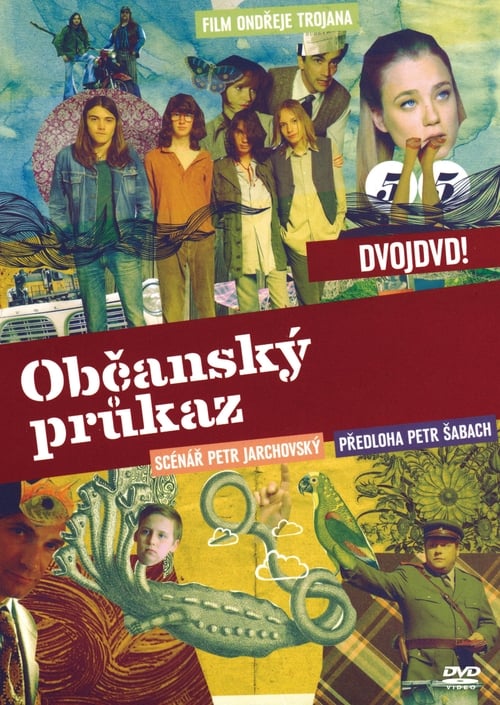
Identity Card
2010
No user ratings available yet
Representation score: 6.5 out of 10
Representation Score
Fair
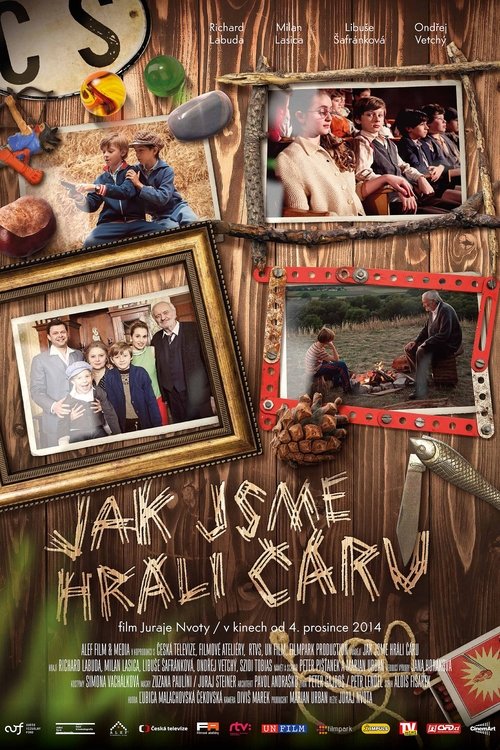
2014
Director
Juraj Nvota
Runtime
97 minutes
Average Rating
No ratings yetNew Showbiz Analysis
Hostage is a historical tragicomedy that prioritizes political critique over modern diversity standards. Its strength lies in deconstructing the systemic absurdities of mid-20th-century Czechoslovakia through the eyes of children. The film excels at cultural commentary, using the perspective of youth to dismantle the perceived order of a totalitarian regime. It portrays children as collateral damage to political machinations, offering a nuanced view of morality. However, the film remains limited by its historical setting, resulting in low racial and ethnic diversity. The focus on masculine coming-of-age arcs also limits broader gender and LGBTQ+ representation.
Category Breakdown
The film focuses on the emotional intimacy and first experiences of love among young boys. There is no explicit mention of LGBTQ+ identities or non-cisgender subtext.
The story centers on young boys navigating a male-dominated world of gang fights and communist officers. It challenges traditional hero clichés by portraying these children as victims of their environment.
Set in pre-Prague Spring Czechoslovakia, the film reflects the ethnically homogeneous population of the time. It maintains historical accuracy without attempting to diversify the cast.
The film provides a sophisticated critique of totalitarian structures and the absurdity of the communist regime. It explores the tension between state-aligned life and the desire to leave for the West.
The narrative does not include characters dealing with physical or neurodivergent disabilities.
Present on Screen
Limited or Absent
Official Synopsis
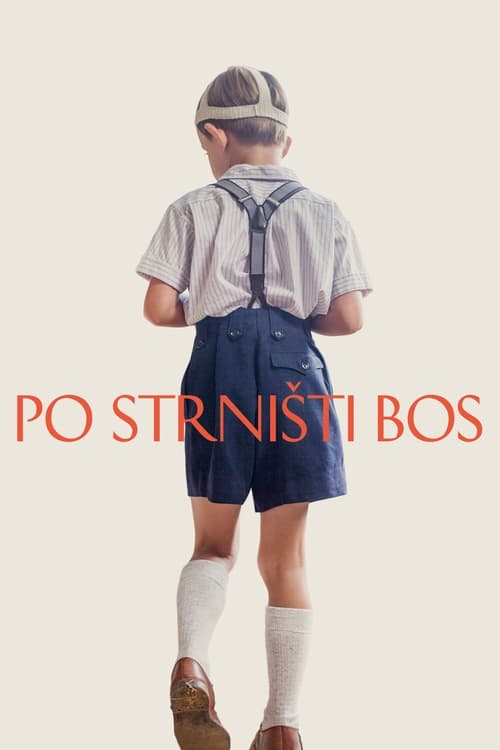
Tragicomic family film about the world of children heroes - particularly the son of a local communist officer and his friend, a little hostage of the regime, whose parents emigrated to the West, few years before "Prague Spring" and the occupation of Czechoslovakia. Camaraderie, the first big discoveries of love, enemy gang fights and naive ideas are confronted with the reality of adult's world. The film is about the first contacts with bizarre and absurd reality of relationships and attitudes of adults, politics, emigration, but also betrayal and death and about how all those things form and transform the lives of small boys, who are forced to grow up too quickly.
2010
1985

2014
1999
2017

2010
1991
1987
No reviews yet. Be the first to share your thoughts on this movie!
Use the rating form above to leave a star rating and optional review.