
The Unbearable Lightness of Being
1988
No user ratings available yet
Representation score: 4.6 out of 10

Representation Score
Limited
1999
RDirector
Neil Jordan
Runtime
102 minutes
Average Rating
No ratings yetNew Showbiz Analysis
Neil Jordan’s drama prioritizes psychological and spiritual depth over demographic breadth. While the film lacks diversity in terms of race and sexual orientation, it challenges traditional gender roles by giving the female lead a significant role in driving the story. The narrative structure replaces rigid religious dogma with a nuanced, subjective exploration of faith and human desire. This deconstruction of certainty provides a level of moral complexity that offsets the lack of demographic variety. Ultimately, the film functions as a period piece that reflects the historical constraints of 1940s London, resulting in a homogeneous social environment that lacks modern representation.
Category Breakdown
The film focuses entirely on heterosexual relationships and does not include any LGBTQ+ characters or discussions of gender identity. There is no presence of LGBTQ+ themes or characters.
The narrative centers on the female protagonist's autonomy. Sarah Miles makes decisions that assert her spiritual independence rather than submitting to male figures, giving her a significant role in driving the story.
Set in post-war London, the cast is predominantly white and reflects the upper-middle-class European social strata. The film maintains a homogeneous social landscape without diverse ethnic perspectives.
The film explores the tension between institutional religion and personal spirituality. It treats Sarah's private relationship with the divine as a valid, disruptive personal truth.
There are no prominent depictions of visible or invisible disabilities, neurodivergence, or chronic illness within the central character arcs.
Present on Screen
Limited or Absent
Official Synopsis
On a rainy London night in 1946, novelist Maurice Bendrix has a chance meeting with Henry Miles, husband of his ex-mistress Sarah, who abruptly ended their affair two years before. Bendrix's obsession with Sarah is rekindled; he succumbs to his own jealousy and arranges to have her followed.
1988

1945

2011

1993

1992

1997
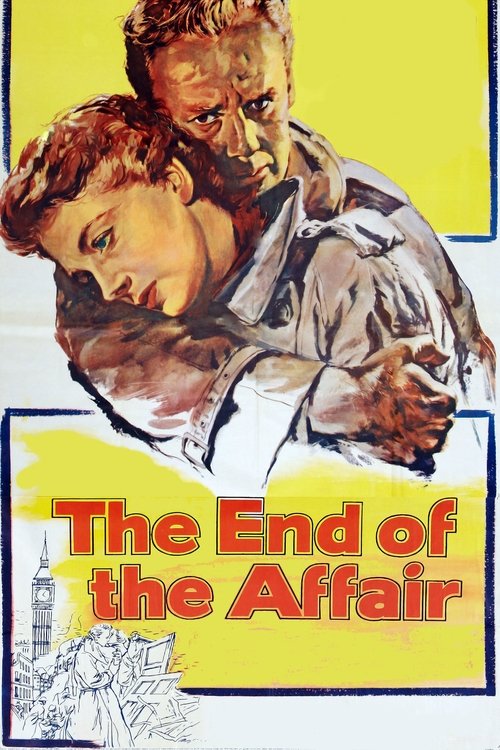
1955

1984
No reviews yet. Be the first to share your thoughts on this movie!
Use the rating form above to leave a star rating and optional review.