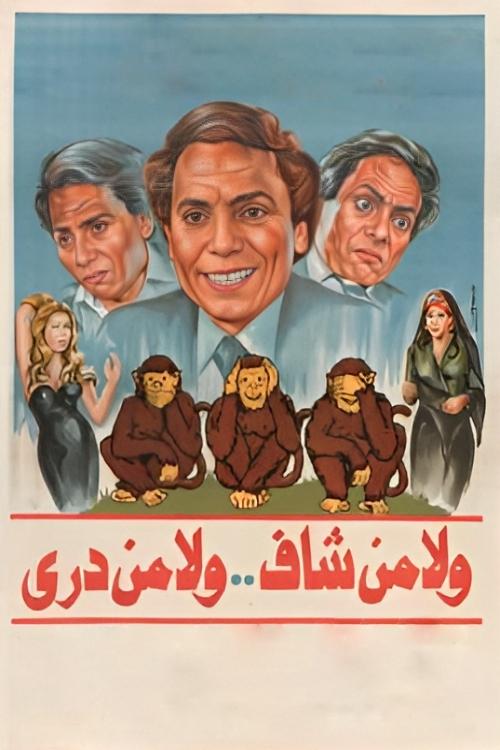
Neither Seen, Nor Known
1983
No user ratings available yet
Representation score: 4.1 out of 10

Representation Score
Fair
1976
Director
Hani Metawea, Mohamed Fadel
Runtime
160 minutes
Average Rating
No ratings yetNew Showbiz Analysis
The film serves as a culturally specific narrative that disrupts Western-centric cinematic norms by centering an Arab protagonist. It uses satire to explore the tension between individual identity and systemic social roles. While the work offers a localized social critique, it lacks explicit markers regarding gender and LGBTQ+ identities. The focus remains largely on the protagonist's personal and professional absurdity. Ultimately, the film functions as a standard representation of its era and culture, using comedy to examine the stability of social facades and institutional structures.
Category Breakdown
The film does not explicitly depict LGBTQ+ characters or non-straight identities. It focuses on the male protagonist's legal and personal struggles.
The story centers on the male protagonist's identity issues. Female characters are mostly traditional supporting roles, while the protagonist's rabbit persona offers a humorous take on masculine authority.
The film provides a non-Western, Arab-centric perspective rooted in the Egyptian film industry. It reflects local demographics without trying to blend multiple racial backgrounds.
The narrative uses social satire to critique institutional effectiveness and social expectations. It explores the tension between professional personas and real-life social roles.
There are no visible or invisible disabilities shown. The protagonist's psychological struggle with his stage persona does not qualify as specific neurodivergent representation.
Present on Screen
Limited or Absent
Official Synopsis
Sarhan Abdel Basir, a children's performer known for playing a rabbit, becomes a witness in a murder case. Struggling to separate his on-stage persona from reality, he finds himself in a series of comedic situations.
1983

1968

2006

2007
1993

2019

1976
1984
No reviews yet. Be the first to share your thoughts on this movie!
Use the rating form above to leave a star rating and optional review.