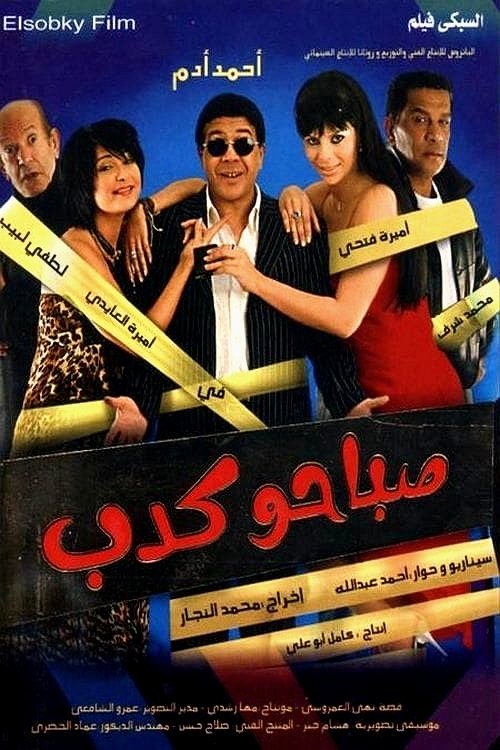
Morning Lies
2006
No user ratings available yet
Representation score: 7.0 out of 10
Representation Score
Fair
1983
Director
Nader Galal
Runtime
120 minutes
Average Rating
No ratings yetNew Showbiz Analysis
Nader Galal’s film primarily functions as a social critique of class and morality. It employs a history teacher's financial difficulties to question the perceived sanctity of academic and professional respectability. While the film lacks diverse representation regarding gender identity or racial diversity, it gains merit for challenging the stability of traditional institutions. It portrays social transgressions as a result of survival and systemic pressures rather than simple moral condemnation. Ultimately, the work operates within established cinematic frameworks of its era, focusing on localized socioeconomic struggles.
Category Breakdown
The film does not include any LGBTQ+ characters or narratives. The plot revolves around a traditional, dysfunctional heterosexual relationship involving marriage and unplanned pregnancy.
Salwa exerts significant influence over the protagonist, manipulating him into marriage. However, the story relies on classic gendered clichés like the femme fatale and the naive male.
The cast and setting are ethnically uniform, reflecting the typical demographic makeup of the Egyptian film industry during this period. It remains rooted in its specific cultural context.
The narrative critiques traditional social structures by involving a history teacher in a prostitution ring. It examines how financial strain can lead to moral transgressions.
There are no visible or invisible disabilities portrayed that affect the narrative arc.
Present on Screen
Limited or Absent
Official Synopsis
The story revolves around Mursi (Adel Imam), a poor history teacher, married and suffering from an ambitious financial crisis in life, who gets involved with an old colleague at the university (Salwa), who runs her house for prostitution and hides him. Salwa uses the naiveté of Morsi to convince him that he attacked her He is drunk to press him to marry her pregnant.
2006
1993
1984

1976
1984
1980

1984
1997
No reviews yet. Be the first to share your thoughts on this movie!
Use the rating form above to leave a star rating and optional review.