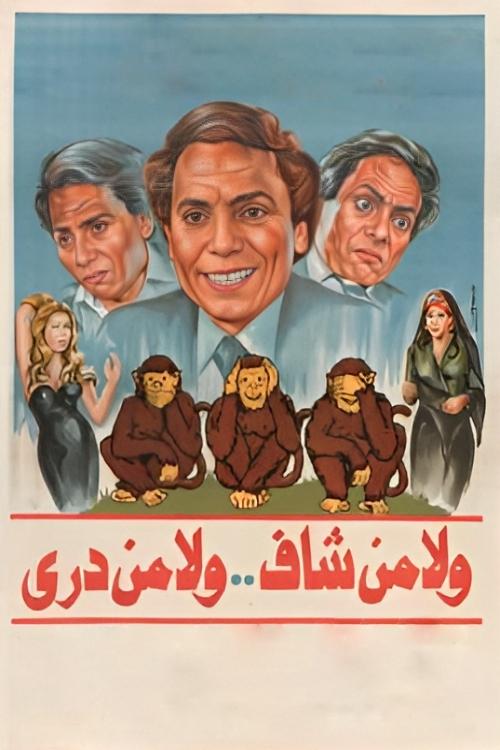
Neither Seen, Nor Known
1983
No user ratings available yet
Representation score: 4.1 out of 10
Representation Score
Good
2006
Director
Mohamed El-Naggar
Average Rating
No ratings yetNew Showbiz Analysis
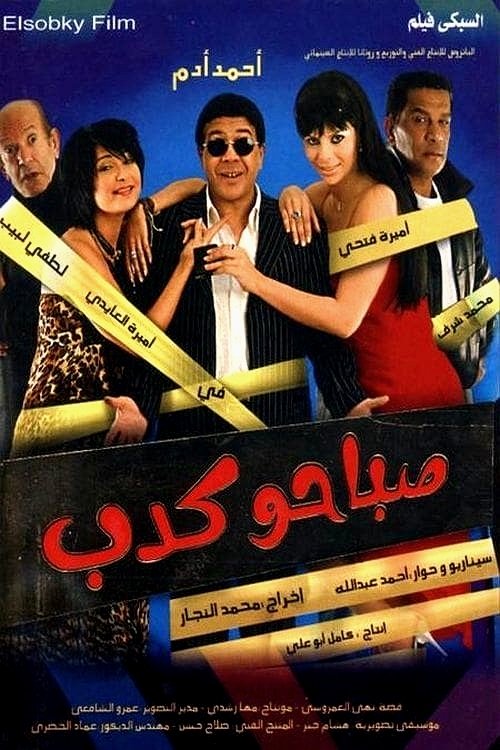
Morning Lies presents a cynical view of domestic corruption and the erosion of traditional family values. It effectively uses disability as a central narrative driver to explore themes of vulnerability and systemic abuse, avoiding sentimental clichés. However, the film's representation is confined to a specific social framework. While it challenges some patriarchal norms, it relies on traditional gender roles that limit the female characters' influence. Overall, the film offers a nuanced critique of social and familial power structures within its cultural context, though it lacks broader multi-layered diversity.
Category Breakdown
The film does not include any visible LGBTQ+ characters or identities that challenge heterosexuality. The plot revolves around a deception involving a male protagonist and a female character.
The narrative challenges traditional masculine dominance by focusing on a vulnerable male protagonist. However, the female lead is used primarily as a tool for deception within a predatory scheme.
The cast is ethnically uniform, reflecting the film's Egyptian origins. The story emphasizes internal social stratifications and class-based deception rather than diverse ethnic representation.
The story questions the sanctity of the traditional household by depicting family members as predators. It challenges social norms through the inclusion of a character from the sex industry.
The protagonist's blindness drives the plot, exploring themes of sensory perception and exploitation. The film avoids using disability as a tool for pity or inspiration.
Present on Screen
Limited or Absent
Official Synopsis
Ne’naa, (Ahmad Adam) a blind music teacher lives with his stepfather Zeinhom (Saeed Tarabeek) and his stepfather’s new wife who both want to seize his inheritance. They introduce a prostitute, Poussy (Amira Fathy), as a nurse to make him fall for her and steal his heritage.
1983
2013
1984

2007
1980
1984
1993

1976
No reviews yet. Be the first to share your thoughts on this movie!
Use the rating form above to leave a star rating and optional review.