
Marquis de Sade
1996
No user ratings available yet
Representation score: 3.5 out of 10
Representation Score
Fair
1974
Director
Claude Santelli
Runtime
92 minutes
Average Rating
No ratings yetNew Showbiz Analysis
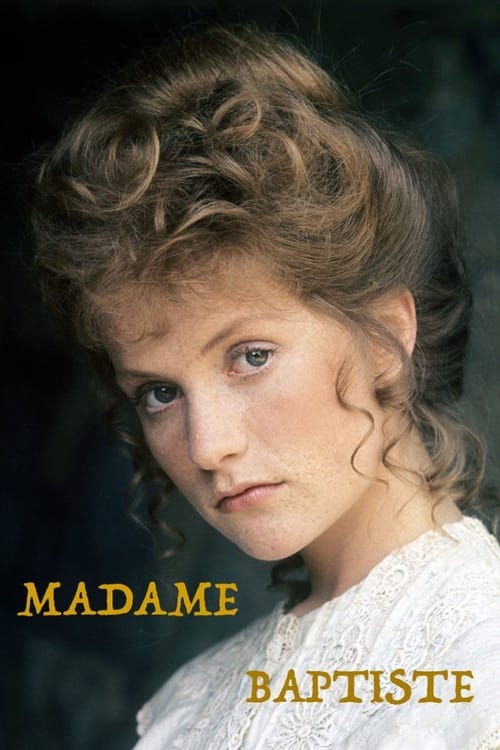
Madame Baptiste is a character-driven drama that critiques historical social structures. It succeeds by deconstructing traditional ideas of family honor and focusing on a woman's psychological struggle against a judgmental society. However, the film remains limited by its period setting, which lacks racial diversity and LGBTQ+ representation. The focus is primarily on class stratification and the rigid moralities of a specific historical era. Ultimately, the work provides a nuanced look at mental health and gendered social pressures, even if it operates within a narrow demographic scope.
Category Breakdown
The film does not include any LGBTQ+ characters or non-binary gender identities. The main storyline revolves around a heterosexual relationship and the societal stigma surrounding it.
Blanche is a key figure who plays a significant role in driving the story despite her circumstances. The narrative critiques a patriarchal system that prioritizes family reputation over women's autonomy and well-being.
The setting focuses on class distinctions within a traditional French manor. There is no indication of racial diversity or varied ethnic identities.
The story critiques traditional Western institutions and the oppressive influence of public opinion. It portrays the protagonist's trauma as a result of systemic failures within her community.
The film addresses psychological trauma and mental health issues through Blanche's thoughts of suicide. It centers on her internal struggle with painful memories and social isolation.
Present on Screen
Limited or Absent
Official Synopsis
Blanche was raped in her adolescence by a servant, a cowherd named Baptiste. Her family, anxious to hide the shame that this scandal has cast on their reputation, locks the young girl in their manor, thinking that four walls are enough to silence the mockery. One day, Blanche, whom the whole country nicknames "Madame Baptiste", tries to commit suicide, consumed by the painful memory she carries within her. A man saves her and, charmed by the woman who now owes him her life, he asks her to marry him, thus defying the moral barriers set by public opinion. Life now seems happy for Blanche, but one day, at the agricultural show, the insult comes again: "Madame Baptiste!"...
1996

1929

1979
1943

1975
2002
1973
1979
No reviews yet. Be the first to share your thoughts on this movie!
Use the rating form above to leave a star rating and optional review.