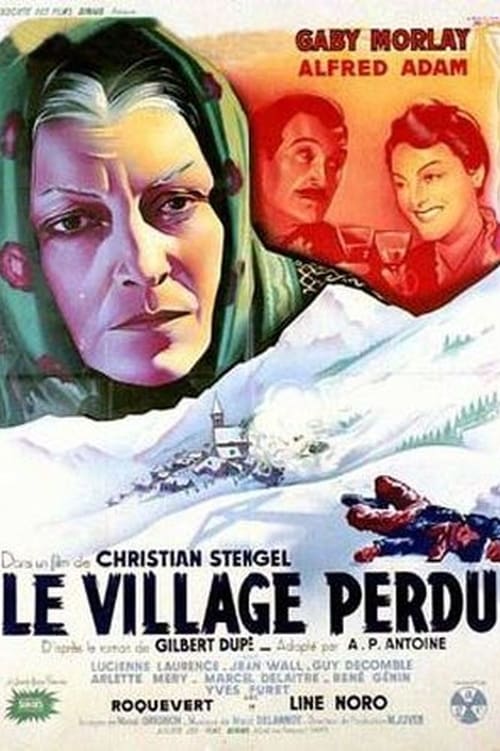
The Lost Village
1947
No user ratings available yet
Representation score: 2.8 out of 10
Representation Score
Minimal
1961
16Director
Max Michel
Average Rating
No ratings yetNew Showbiz Analysis
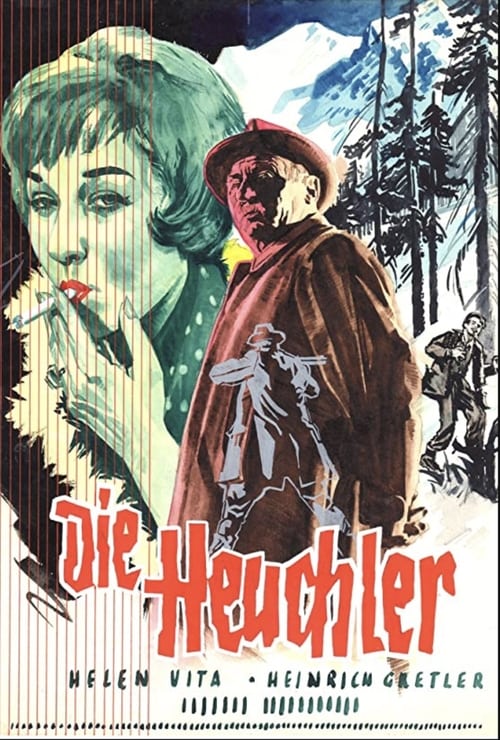
Die Gejagten is a traditional mid-century crime procedural that emphasizes established social hierarchies. The narrative focuses on a culturally uniform Swiss community, highlighting individual culpability over diverse representation. While the film undermines the reputations of its protagonists, it does so within a conventional moral framework. The investigative structure reinforces the period's standard demographic norms and masculine-dominated power dynamics. Ultimately, the film serves as a localized study of greed and embezzlement. It fails to address the broader social structures of its time.
Category Breakdown
The film features a character named Alvine Dünki, who is identified as the deceased's lover. However, this relationship serves mainly as a plot device to uncover financial corruption rather than exploring LGBTQ identity.
The story revolves around a male-dominated professional environment where women play secondary roles, often providing information or representing personal issues.
Set in a specific Swiss community, the film showcases a homogeneous group of citizens. There is a noticeable absence of racial or ethnic diversity among the main characters.
The narrative criticizes local corruption and the superficiality of community leaders. However, it centers on individual moral failures rather than addressing systemic institutional issues.
The film does not include any characters with visible or invisible disabilities.
Present on Screen
Limited or Absent
Official Synopsis
In the forest of Hablikon, the administrator Reichle is found shot dead. He had gone hunting with three other respected citizens of the community. Detective Sergeant Müller takes charge of the investigation. The first suspect is the nephew of one of the hunters, who was also at the scene at the time of the shooting and was on parole from prison. With no clear motive, Müller focuses his attention on the honorable and irreproachable fellow hunters. Their clean facade begins to crumble during his investigations. Village doctor Amsler, banker Meier, and architect Häuptl all had something to hide. Reichle knew about their private and business misdeeds. Müller also learns from Alvine Dünki, the dead man's lover, that money from the community coffers was used for the four men's entertainment. The murderer is convicted after the crime is reconstructed.
1947
1955
1966
1983
1957
1960
1957
1957
No reviews yet. Be the first to share your thoughts on this movie!
Use the rating form above to leave a star rating and optional review.