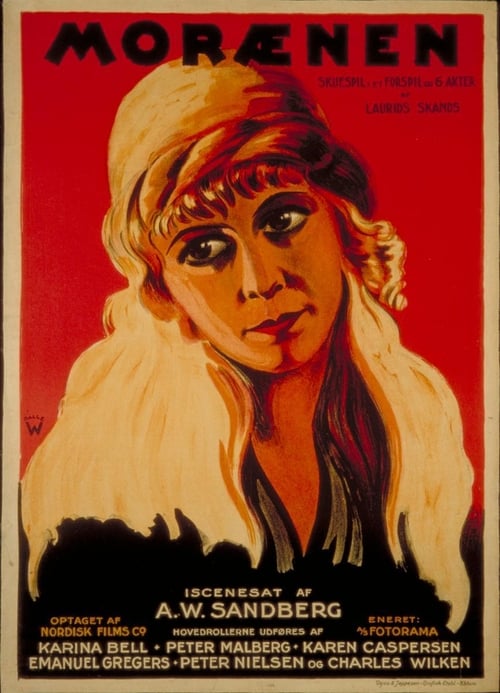
The House of Shadows
1924
No user ratings available yet
Representation score: 2.2 out of 10
Representation Score
Limited
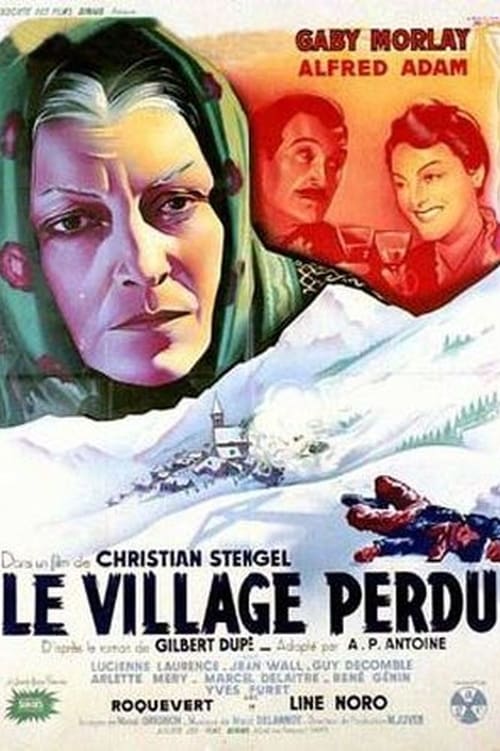
1947
Director
Christian Stengel
Runtime
95 minutes
Average Rating
No ratings yetNew Showbiz Analysis
The film is a character-driven study set in 1947, reflecting the social norms of that era. It lacks modern diversity, focusing on a localized European context with a homogeneous population. Despite limited demographic variety, the film subtly challenges traditional gender roles. Angélique Barrodet's transformation from a discarded fiancée to an active investigator highlights a moment of significant influence within a conventional framework. Ultimately, the story functions as a mystery that emphasizes community stability and subjective morality, rather than diverse representation.
Category Breakdown
The film centers on a traditional romantic tragedy involving a local Casanova and a jilted fiancée. There are no LGBTQ+ characters or representations of non-straight relationships.
Angélique Barrodet breaks the stereotype of the passive victim. She transforms from a suffering maiden into an active investigator, driving the plot forward.
The story is set in an alpine village that suggests a homogeneous community. There is no indication of racial or ethnic diversity among the characters or the setting.
Religious symbols, like a wayside cross and a calvary, play a central role in the village. The story explores moral themes within this cultural backdrop.
The narrative does not include any depiction or mention of visible or invisible disabilities.
Present on Screen
Limited or Absent
Official Synopsis
In the peaceful alpine village of Granges-de-Mortes, a tragedy has just taken place: Gustave Boeuf, the local Casanova, has mysteriously died at the foot of a wayside cross. Shortly afterwards, a peasant, who is suspected of having murdered him, hangs himself from a branch of the calvary. But was he the real culprit? Angélique Barrodet, an old maid , who had been Gustave's fiancée before he abandoned her on the very day of their wedding, leads the investigation in her own way.
1924
1947
1951
1960
1943
1954
1973
1980
No reviews yet. Be the first to share your thoughts on this movie!
Use the rating form above to leave a star rating and optional review.