La Chinoise
1967
No user ratings available yet
Representation score: 5.4 out of 10
Representation Score
Good
1970
Director
Francesco Maselli
Runtime
120 minutes
Average Rating
No ratings yetNew Showbiz Analysis
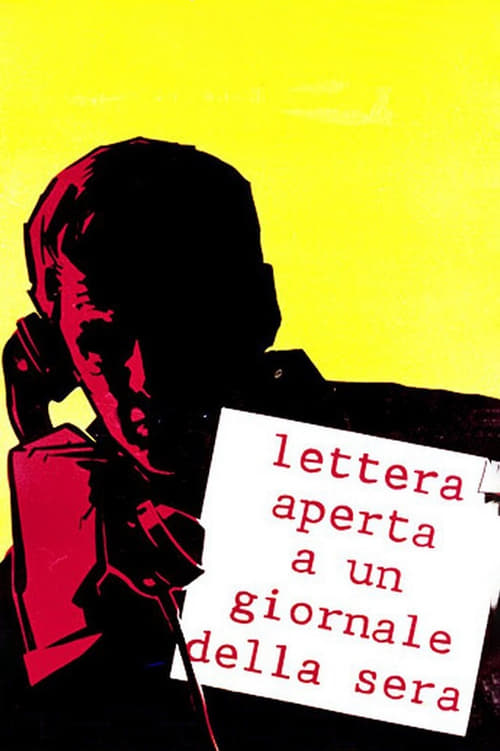
Francesco Maselli’s film is a sharp critique of institutional complacency, focusing on the tension between grassroots activism and established political hierarchies. It excels in deconstructing the geopolitical order and questioning the stability of traditional Western institutions. However, the film lacks specific multi-layered depth. While it challenges systemic structures, it does not provide much visibility regarding LGBTQ+ identities or disability representation. Ultimately, the work is a socio-political study that prioritizes systemic critique over individual identity-based representation.
Category Breakdown
The film does not include any explicit representations of LGBTQ+ themes or non-straight identities. While the story explores social disruption, there is no visible evidence of LGBTQ+ characters or issues.
The story may challenge patriarchal structures through its focus on political agitation. However, specific information about gender roles and ability to act among characters is limited.
The narrative addresses global power dynamics by centering on opposition to the Vietnam War. While the cast is primarily Italian, the themes tackle the broader influence of Western hegemony.
The film excels by criticizing established Western institutions and political structures. It emphasizes grassroots activism and challenges state-sanctioned authority.
There is no evidence that disability or neurodivergence plays a role in the character development or the overall narrative arc.
Present on Screen
Limited or Absent
Official Synopsis
Hoping to shake up the complacent Italian Communist Party, a group of leftist radicals sends an incendiary letter to a major evening newspaper declaring their intention to volunteer to fight American troops in Vietnam as a political statement against the war.
1967

1973

2004

1995
1969

1963
1969
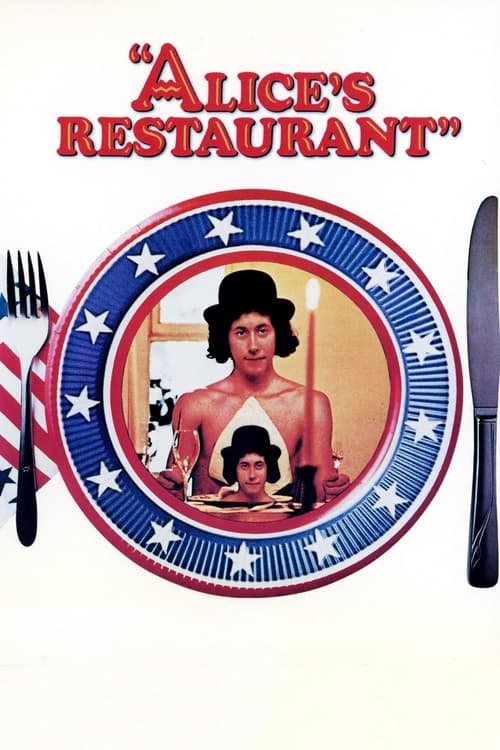
1969
No reviews yet. Be the first to share your thoughts on this movie!
Use the rating form above to leave a star rating and optional review.