
Sting of Death
1966
No user ratings available yet
Diversity score: 2.4 out of 10

1992
Not RatedDirector
Douglas Schulze
Runtime
96 minutes
Average Rating
No ratings yetSynopsis
A psychotic college professor uses unwitting students as laboratory rats, injecting them with a drug that mutates them into gory killers
Overall Score
Limited
Category Breakdown
LGBTQ+ Representation
The film lacks LGBTQ+ characters or narratives addressing non-cisnormative identities. It focuses on a singular antagonist and his victims within a traditional horror framework.
Gender Representation
The plot is driven by a masculine 'mad scientist' archetype. While female students appear, the narrative reinforces traditional power dynamics through the antagonist's pursuit of superhuman status.
Racial & Ethnic Diversity
The setting suggests a homogeneous collegiate environment typical of 1990s horror. There is no indication of diverse casting or a focus on ethnic identity beyond biological mutation.
Religious & Cultural Diversity
Themes of eugenics and scientific ethics are explored through a singular psychotic individual. The film lacks a systemic critique of institutions, opting for a standard morality play.
Disability Representation
Mutants and zombie-like figures serve as central plot elements. These depictions rely on horror tropes where physical alterations are used to evoke fear rather than provide nuanced representation.
Strengths
Areas for Improvement
AI Analysis
Hellmaster operates as a standard 1990s exploitation horror film, prioritizing genre tropes over social or intersectional depth. The narrative is built around the biological mutation of characters, which serves the horror aesthetic rather than exploring identity. The film's structure centers on a singular, pathological villain. This focus on individual madness prevents the story from engaging with broader systemic critiques or diverse social perspectives. Ultimately, the production adheres to traditional horror conventions, utilizing physical transformation as a tool for terror rather than a means of exploring disability or cultural complexity.
1966

1989

1968

2007
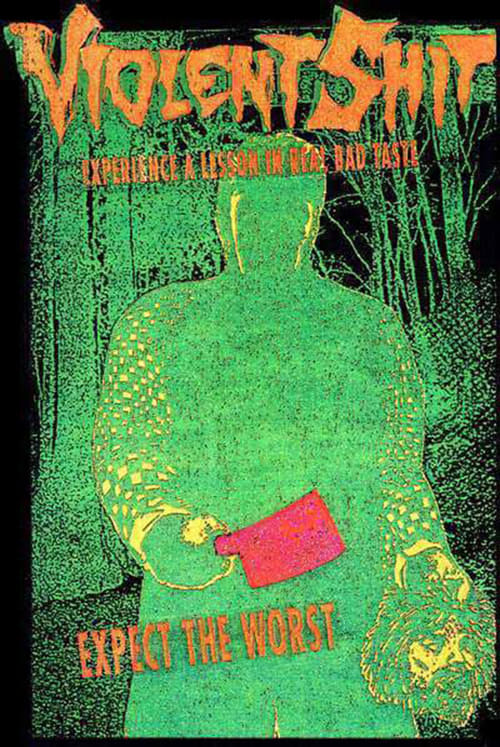
1989

1989

1990

1976

1993

1992

1993

1981
No reviews yet. Be the first to share your thoughts on this movie!
Use the rating form above to leave a star rating and optional review.