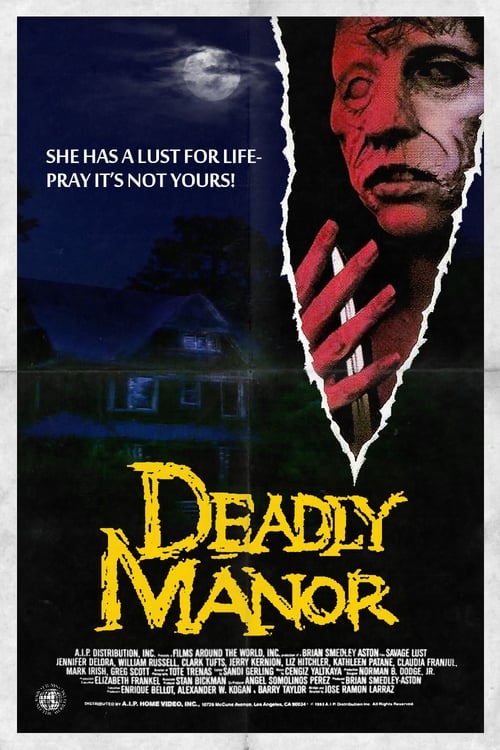
Deadly Manor
1990
No user ratings available yet
Diversity score: 2.2 out of 10
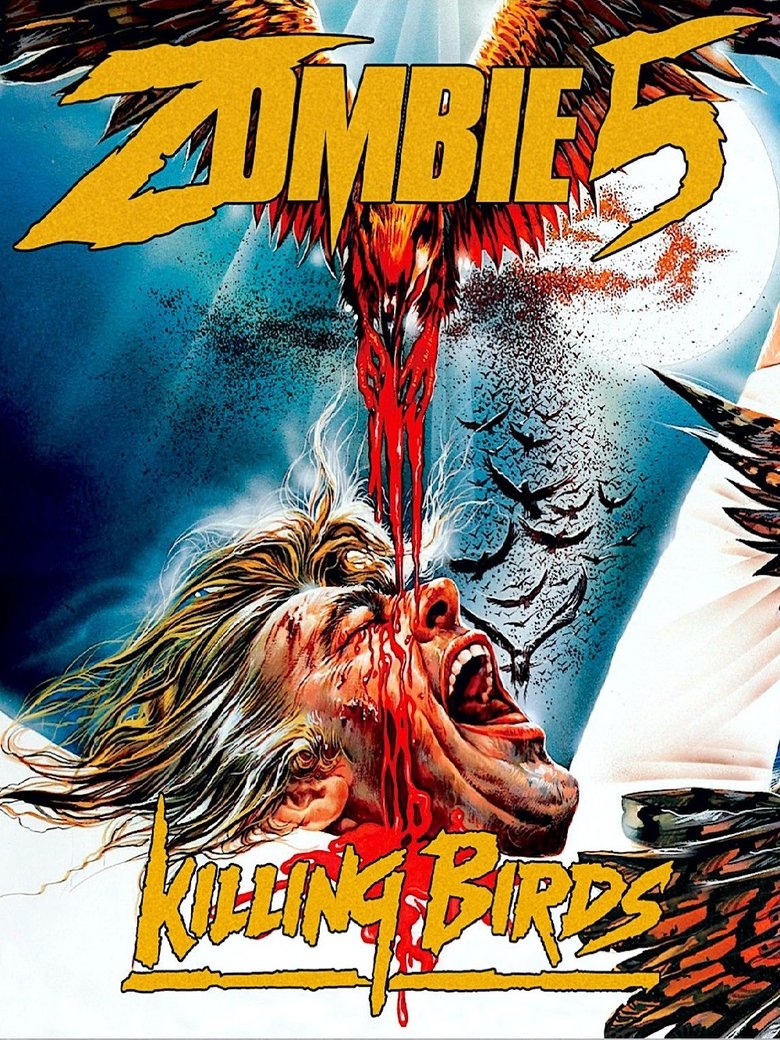
1988
Not RatedDirector
Claudio Lattanzi, Joe D'Amato
Runtime
92 minutes
Average Rating
No ratings yetSynopsis
A group of students goes into the woods to study birds, and soon the dead begin to rise to devour the living.
Overall Score
Limited
Category Breakdown
LGBTQ+ Representation
The film lacks any evidence of non-cisnormative identities. It follows traditional 1980s horror conventions that typically offer no queer visibility.
Gender Representation
Female characters appear relegated to roles of vulnerability or victimhood. The narrative adheres to conventional gendered power dynamics common to the era's exploitation cinema.
Racial & Ethnic Diversity
The production suggests a homogeneous cast typical of late 1980s European genre films. There is no evidence of high-agency characters of color.
Religious & Cultural Diversity
The story focuses on a localized survival scenario. It does not engage with systemic critiques of religion, family, or the state.
Disability Representation
There is no indication of characters with visible or invisible disabilities. The film does not provide representation for the disabled community.
Strengths
Areas for Improvement
AI Analysis
Killing Birds is a standard piece of Italian exploitation horror that prioritizes visceral genre tropes over social complexity. The film functions within the established cinematic frameworks of the late 1980s, focusing on survival mechanics rather than character depth. Representation is minimal across all categories. The narrative relies on traditional hierarchies, often casting women in roles of vulnerability and maintaining a homogeneous cast that reflects the era's Eurocentric production norms. Ultimately, the film lacks the intentionality required to disrupt social hierarchies or offer intersectional perspectives, serving instead as a pure genre exercise.
1990
2005
1978

1987
1986
1982

1981

2005

1981

1972

1980
2008
No reviews yet. Be the first to share your thoughts on this movie!
Use the rating form above to leave a star rating and optional review.