
Fever of Love
1984
No user ratings available yet
Representation score: 3.4 out of 10

Representation Score
Limited
1975
PGDirector
Floyd Mutrux
Runtime
88 minutes
Average Rating
No ratings yetNew Showbiz Analysis
Aloha Bobby and Rose examines social friction and countercultural rebellion rather than characters who reflect more than one aspect of diversity. It captures the New Hollywood era's move towards morally relative storytelling by framing anti-social behavior as a key part of the protagonists' identities. The film's strength lies in its critique of traditional Western stability and its portrayal of the 'outsider' against the state. However, it remains limited by a lack of demographic diversity. While it challenges institutional authority, the film fails to reflect the diverse ethnic landscape of its setting or provide meaningful representation for LGBTQ+ or disabled characters.
Category Breakdown
The film focuses on a traditional heterosexual relationship between Bobby and Rose. There are no visible LGBTQ+ identities or same-sex relationships.
Rose plays a central role, but the story's momentum depends heavily on Bobby's actions. The film avoids submissive stereotypes but upholds traditional masculine leadership roles.
Despite being set in Hawaii, the film features a predominantly white cast. It emphasizes counterculture experiences rather than the indigenous population.
The film effectively portrays countercultural values and the hippie movement. It criticizes mainstream societal norms by highlighting the protagonists' rejection of legal and religious structures.
There are no prominent depictions of visible or invisible disabilities that contribute to character development or advance the plot.
Present on Screen
Limited or Absent
Official Synopsis
Bobby and Rose, two youngsters who are in love, have to run away from home when they are falsely accused to have committed a robbery and an assassination.
1984
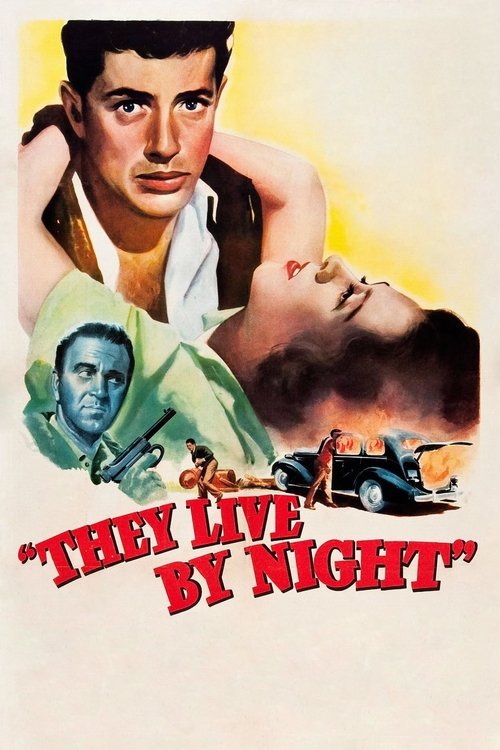
1949

1976

1956

1986

1954

1996

1949
No reviews yet. Be the first to share your thoughts on this movie!
Use the rating form above to leave a star rating and optional review.