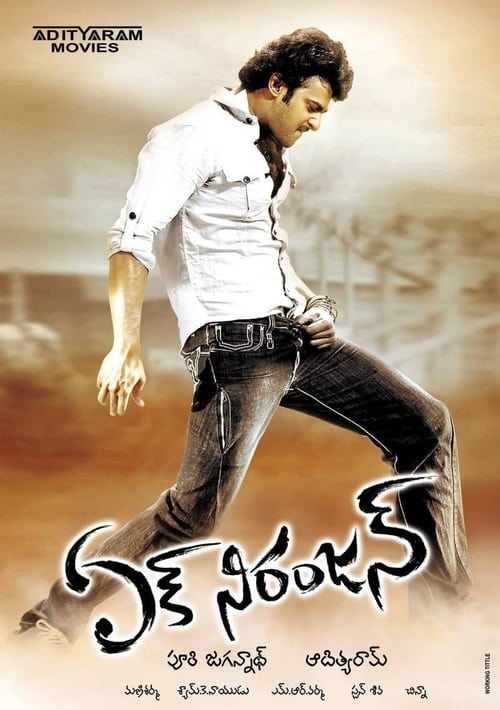
Ek Niranjan
2009
No user ratings available yet
Representation score: 1.9 out of 10

Representation Score
Limited
1984
Director
Vlastimir Radovanović
Runtime
98 minutes
Average Rating
No ratings yetNew Showbiz Analysis
Fever of Love (1984) is a high-stakes melodrama that deconstructs the sanctity of the nuclear family. By portraying parents as predatory figures who attempt to commodify their own child, the film moves away from idealized domesticity toward a gritty social realism. The narrative critiques state and institutional structures, framing the protagonist's extralegal actions as a necessary pursuit of moral decision-making against a corrupt social circle and legal system. While the film lacks explicit representation of LGBTQ+ or disabled characters, it offers a compelling look at situational ethics, focusing on tribal loyalty and the struggle for individual justice.
Category Breakdown
The film centers on a traditional heterosexual relationship between Bane and Vesna. There are no characters with non-conforming gender identities or critiques of the assumption that everyone is straight or cisgender.
The story challenges traditional gender roles by depicting maternal figures as the main antagonists. Although the male lead drives the action, female characters are portrayed through nuanced lenses of deception.
A cross-cultural element is introduced when a child is sold to a German couple. However, the specific ethnic makeup of the cast is not specified.
The narrative critiques institutional stability by presenting biological families and states as corrupt entities. It emphasizes communal loyalty over legalistic or capitalist frameworks.
There is no indication of the portrayal of physical or neurodivergent disabilities within the film's documented story.
Present on Screen
Limited or Absent
Official Synopsis
Bane and Vesna are young and happy couple. Vesna gets pregnant, but soon she was told that Bane was not faithful to her, which was a lie made by their female acquintance. Vesna's parents decide to sell their little son to a German couple. After finding out what has happened, Bane kidnaps the baby and runs away with it on his motorcycle. With the help of his loyal friends, he seeks hideout from the police.
2009
1974
1975
2008
1984
2007
1999
1993
No reviews yet. Be the first to share your thoughts on this movie!
Use the rating form above to leave a star rating and optional review.