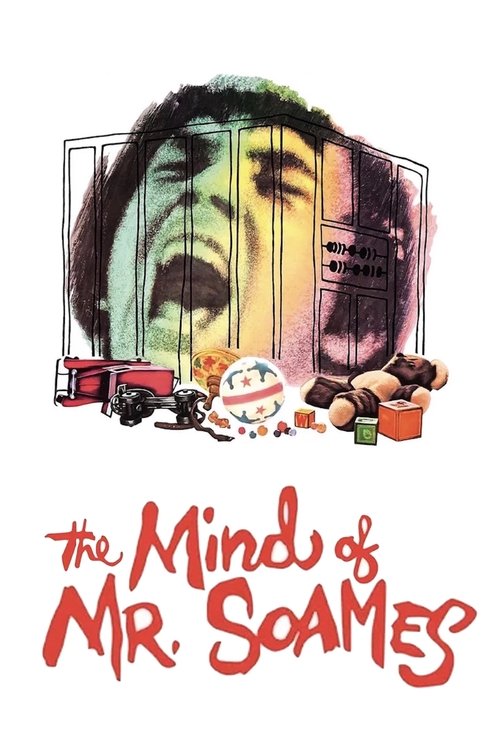
The Mind of Mr. Soames
1970
No user ratings available yet
Diversity score: 4.0 out of 10

1971
PGDirector
James Goldstone
Runtime
95 minutes
Average Rating
No ratings yetSynopsis
An enigmatic man (Sidney Poitier) returns to his Alabama hometown as his sister is dying of cancer and incites the suspicion of notable town officials.
Overall Score
Fair
Category Breakdown
LGBTQ+ Representation
The film focuses entirely on a sibling bond. While it explores an intense emotional dependency, it lacks explicit depictions of non-heteronormative identities.
Gender Representation
Elizabeth is portrayed with intellectual and emotional resilience rather than in a submissive role. The film subverts traditional tropes by presenting the male lead as unstable.
Racial & Ethnic Diversity
The production features a predominantly white cast set in a middle-class urban environment. There is a lack of significant minority representation throughout the narrative.
Religious & Cultural Diversity
The film challenges idealized nuclear family depictions by focusing on gritty psychological realism. It explores the breakdown of domestic order through mental illness and addiction.
Disability Representation
John is given a nuanced depiction of neurodivergence and mental illness. The film avoids 'inspiration porn' by treating his instability as a complex, central driver.
Strengths
Areas for Improvement
AI Analysis
Brother John succeeds as a character study that avoids the easy moralism of its era. Its greatest strength lies in its refusal to sanitize mental illness, offering a raw look at neurodivergence that grants the protagonist agency despite his dysfunction. However, the film is deeply limited by its lack of intersectionality. The narrow focus on a white, middle-class experience and the absence of LGBTQ+ or diverse racial perspectives make it a product of its specific historical and biographical constraints. Ultimately, the film is a study of psychological depth that subverts gendered expectations but fails to engage with a broader spectrum of human identity.
1970
1990

1981

1980
1979
2003

2001

2001

2019

1984

2004

1984
No reviews yet. Be the first to share your thoughts on this movie!
Use the rating form above to leave a star rating and optional review.