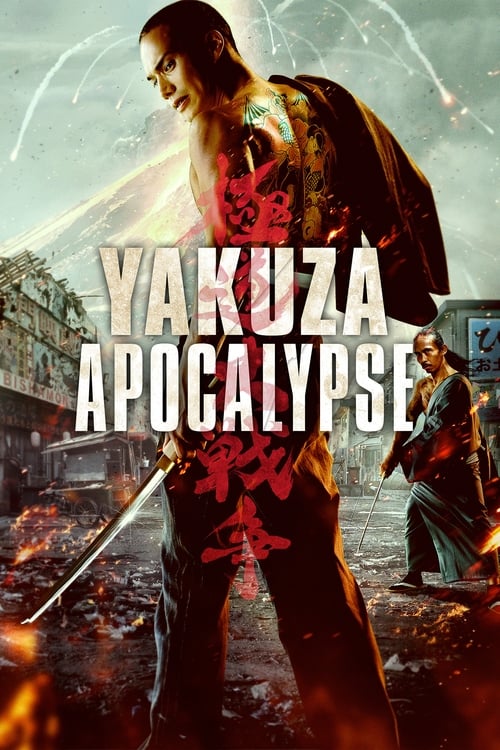
Yakuza Apocalypse
2015
No user ratings available yet
Representation score: 4.8 out of 10
Representation Score
Fair
2009
Director
Ten Shimoyama
Runtime
86 minutes
Average Rating
No ratings yetNew Showbiz Analysis
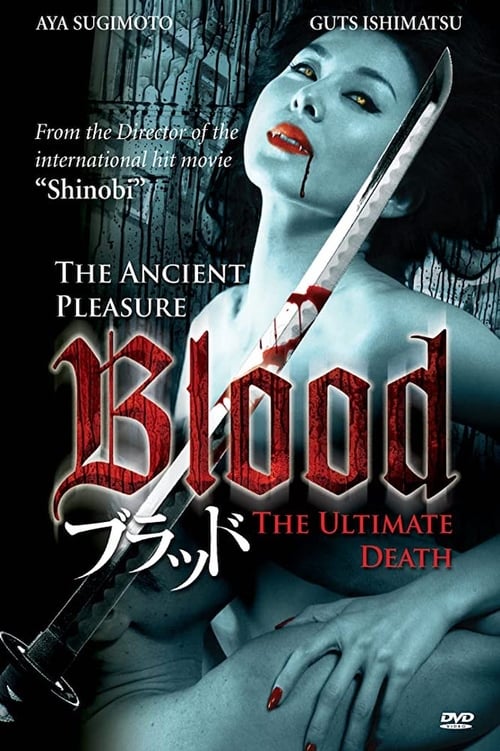
Blood functions primarily as a genre-driven horror piece that finds its progressive value through the subversion of gendered power dynamics. By placing a female figure in a position of absolute power over male subjects, it challenges traditional masculine dominance. However, the film lacks the complexity needed for a higher score, focusing instead on supernatural themes rather than deep social or cultural deconstruction. While the power shifts are notable, the narrative stays within established genre expectations, offering limited insight into broader social or racial diversity.
Category Breakdown
The film includes a non-traditional power dynamic where a seductive vampire mistress holds sway over male characters. However, the movie does not explicitly confirm same-sex relationships or specific LGBTQ+ identities.
Miyako Rozmberk challenges traditional gender roles by serving as the primary driver of the plot. She exerts hypnotic control over the male protagonists, reversing typical patriarchal leadership roles.
The production seems to reflect a Japanese context, possibly blending European and Japanese elements through the character name Rozmberk. Nonetheless, there is little evidence of specific cross-cultural or non-white casting depth.
The story centers on supernatural compulsion and individualistic struggle within the horror genre. It does not provide a systemic critique of Western institutions or religious frameworks.
The film offers no information or visible representation regarding physical, neurodivergent, or mental health disabilities.
Present on Screen
Limited or Absent
Official Synopsis
Police Detective Hoshino (Kanji Tsuda) investigates the murder of a maid at a mansion belonging to Miyako Rozmberk (Sugimoto), a seductive vampire mistress and "cougar" all in one. Ukyo Kuronuma (Jun Kaname), an Edo-era swordsman who was turned into a vampire by Miyako is fingered for the crime but before anything can be done about it Hoshino ends up under Miyako's spell as well. This leads Hoshino and Ukyo to battle one another for the privilege of staying with Miyako for eternity.
2015
2000
2009
2016
1996
2005
2006
2017
No reviews yet. Be the first to share your thoughts on this movie!
Use the rating form above to leave a star rating and optional review.