Wide Awake
1998
No user ratings available yet
Representation score: 1.4 out of 10
Representation Score
Good
2006
Director
Samson Chiu Leung-Chun
Runtime
95 minutes
Average Rating
No ratings yetNew Showbiz Analysis
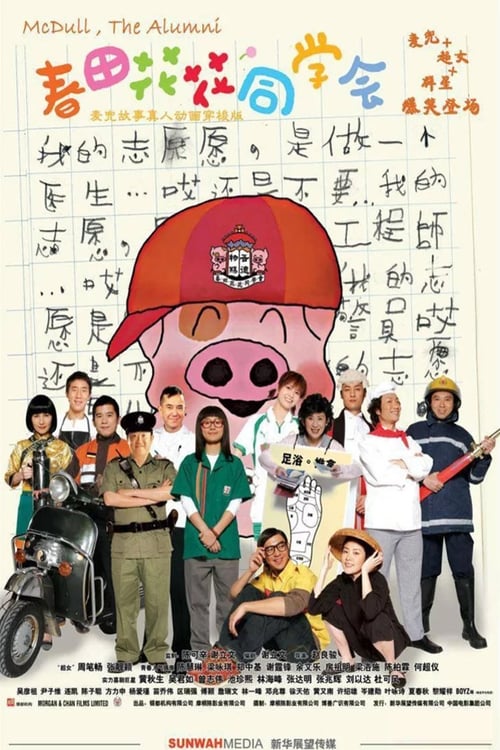
McDull, the Alumni is a culturally significant work that prioritizes localized Hong Kong identity over globalized media clichés. It succeeds by providing a specific linguistic and ethnic anchor, resisting the whitewashing common in mainstream animation. However, the film remains traditional in its treatment of identity politics. It lacks meaningful engagement with LGBTQ+ themes, disability representation, or the subversion of gendered power dynamics. Ultimately, the film's strength is its post-colonial resonance and its critique of urban capitalism, even as it stays within conventional social boundaries regarding gender and sexuality.
Category Breakdown
The film does not center on queer narratives or non-binary gender identities. It focuses on the universal transition from childhood to adulthood without addressing assumptions about everyone being straight or cisgender.
The narrative follows conventional social structures without actively challenging traditional gender roles. The focus remains on the emotional experiences of the protagonist and his peers.
The film excels by centering a Cantonese-speaking, Hong Kong-based cast. This approach disrupts Western-centric storytelling and provides significant roles to characters within a specific ethnic context.
The story critiques modern consumerism and the erosion of community values. It prioritizes local, humanistic values over Westernized notions of progress and capitalist prosperity.
There is no significant evidence of characters with visible or invisible disabilities. The narrative focus remains on socioeconomic struggles and emotional growth rather than neurodivergence or physical disability.
Present on Screen
Limited or Absent
Official Synopsis
In McDull, the Alumni, our protagonist has grown up. He is no longer the little boy who banters with his mates at school. How he wishes he could just go on bantering all day long with his mates at the renowned Flower on the Spring Field Kindergarten. But that is not to be. Like all grown-ups, he has to grapple with harsh reality. McDull and his mates are scattered all over the place. Each one of them has to find his or her own path. In each of their hearts, they know they have failed. Meanwhile, life goes on in the kindergarten. Someone strums a guitar and the pupils chime in to the song: Puff the magic dragon, lives by the sea… A dragon lives forever, but not so little boys. With hindsight, McDull believes this could well be the maxim of the Flower on the Spring Field Kindergarten alumni.
1998
1989
2004
1995

2017
1956
1998
2014
No reviews yet. Be the first to share your thoughts on this movie!
Use the rating form above to leave a star rating and optional review.