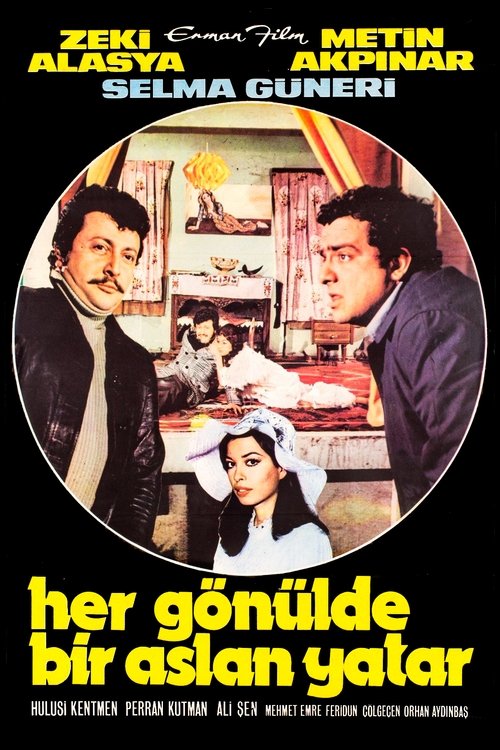
There is a Lion in Every Heart
1976
No user ratings available yet
Representation score: 2.5 out of 10

Representation Score
Limited
2017
TV-14Director
Ardy Octaviand
Runtime
100 minutes
Average Rating
No ratings yetNew Showbiz Analysis
Stip & Pensil offers a moderate level of representation by centering on socioeconomic exclusion. The narrative shifts focus away from traditional academic achievement toward the immediate needs of street children. While the film avoids promoting rigid institutional structures, it lacks depth in other key areas. It does not engage with LGBTQ+ identities or disability representation. The work succeeds in challenging social hierarchies through its focus on community-based learning and survival, though it remains unclear how gender dynamics function within the group.
Category Breakdown
The film does not include any explicit mention or depiction of LGBTQ+ characters or non-assuming gender matches what was assigned at birth identities. It also does not address the assumption that everyone is straight or cisgender.
The ensemble includes both male and female characters such as Toni, Aghi, Bubu, and Saras. However, the film does not challenge traditional gender hierarchies or show women taking a leading role in driving the story.
As an Indonesian production, the film features a non-Western cast. The focus on street children suggests a narrative centered on underrepresented socioeconomic classes.
The story challenges conventional institutional success by depicting characters who prioritize communal survival over formal education. This provides a critique of systemic educational barriers.
There is no information available regarding the depiction of physical, neurodivergent, or mental health conditions within the film.
Present on Screen
Limited or Absent
Official Synopsis
Toni, Aghi, Bubu, and Saras get the task of making essays. They create a free school for street children but they chose to earn money than learn.
1976

2019

2010
2018

1961

2017

2021

2010
No reviews yet. Be the first to share your thoughts on this movie!
Use the rating form above to leave a star rating and optional review.