
The Blacksmith
1922
No user ratings available yet
Representation score: 1.1 out of 10
No Poster Available
Representation Score
Minimal
1926
PassedDirector
Scott Pembroke
Average Rating
No ratings yetNew Showbiz Analysis
Back Fire is a silent-era slapstick comedy that prioritizes physical humor and situational chaos over social representation. The narrative follows a traditional arc of property reclamation and workplace disruption, using the 'disruptive outsider' cliché common to early cinema. The film adheres to the standard cinematic constraints of the mid-1920s. It operates within established comedic frameworks without challenging or subverting social hierarchies or providing nuanced character development.
Category Breakdown
The film does not include any characters with LGBTQ+ identities or same-sex relationships. The story revolves around physical comedy and workplace antics.
The story centers on a male-dominated trio and a grumpy boss. There is no visible women's ability to drive the story or subversion of traditional gender roles.
The film lacks characters of color with significant roles. The archetypes suggest a lack of meaningful racial diversity or depth in representation.
The plot follows standard comedic conventions of the era, focusing on material goods and workplace disruption. It does not deconstruct Western institutions.
No characters with disabilities are portrayed with significant roles. The character names suggest a reliance on physical caricatures rather than meaningful representation.
Present on Screen
Limited or Absent
Official Synopsis
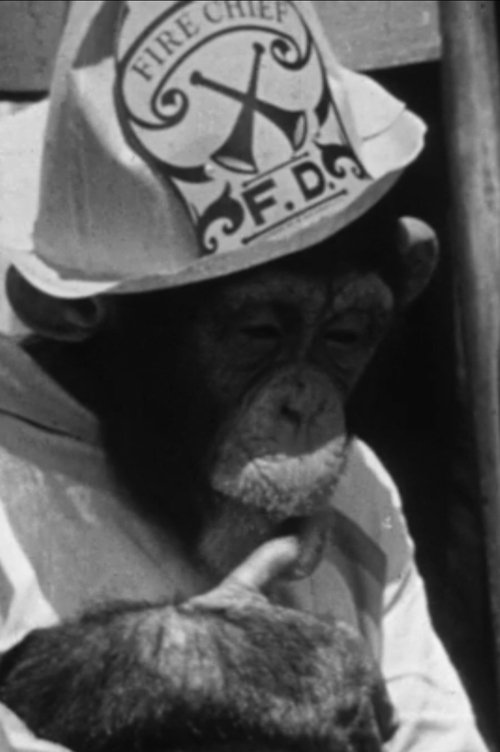
Fat, Fatty and Fatter are seen rescuing their old Ford from the scrap wagon that is hauling it away. And then report to work, where they have a dyspeptic boss. With the help of a monkey they manage to wreck the office.
1922
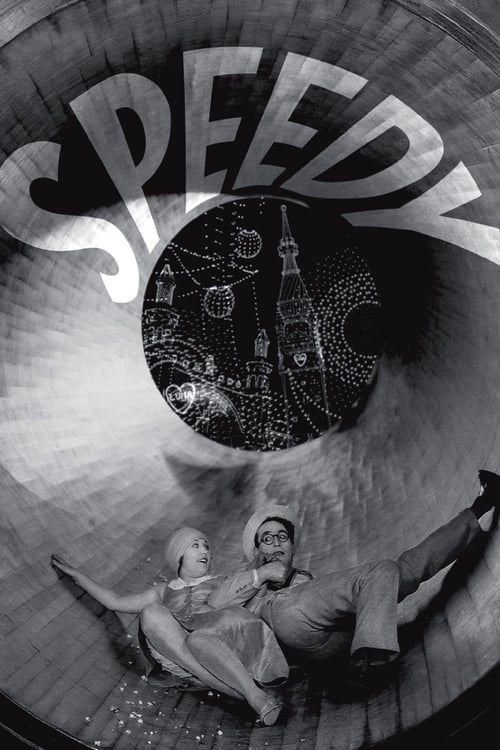
1928
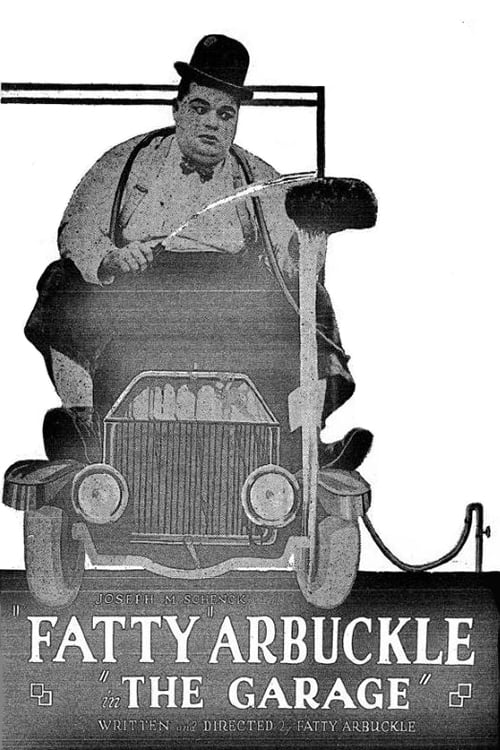
1920
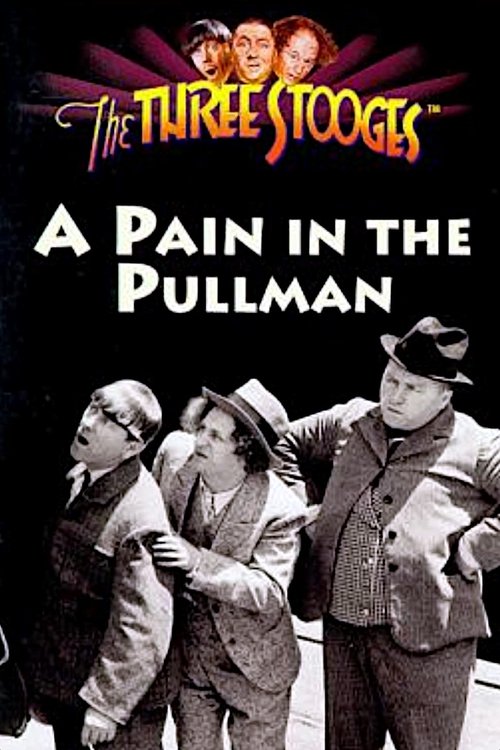
1936
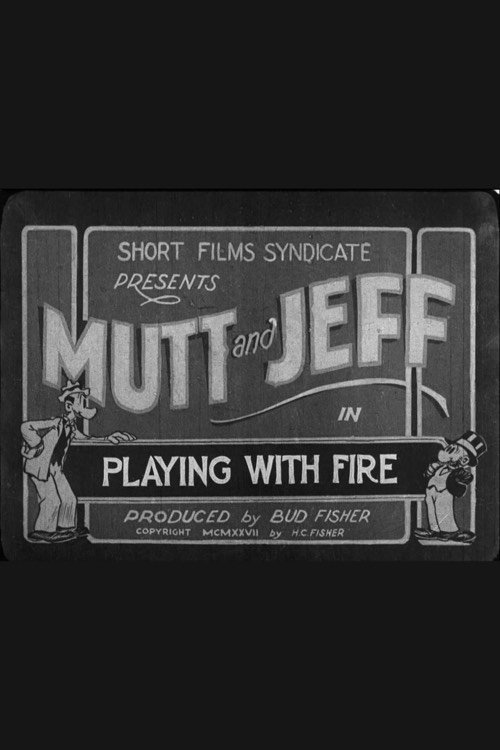
1926
1936
1923
1944
No reviews yet. Be the first to share your thoughts on this movie!
Use the rating form above to leave a star rating and optional review.