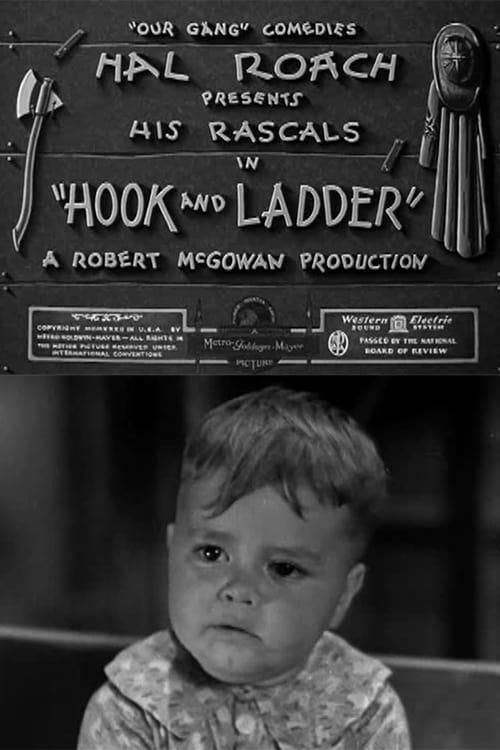
Hook and Ladder
1932
No user ratings available yet
Representation score: 1.2 out of 10
Representation Score
Minimal
1936
ApprovedDirector
Thomas Mead
Runtime
10 minutes
Average Rating
No ratings yetNew Showbiz Analysis
The Rookie Fireman is a product of its time, focusing on physical comedy and animal-driven spectacle. The narrative relies on the antics of Shorty the Chimp to drive the plot, leaving little room for complex character development. Because the film operates within the standard comedic frameworks of the 1930s, it lacks intentionality regarding diverse representation. The focus remains on slapstick humor rather than challenging social hierarchies or exploring varied identities. Ultimately, the film reflects the conservative media landscape of the mid-1930s, offering a narrow view of social dynamics through a lens of populist, physical entertainment.
Category Breakdown
The film focuses on animal-driven slapstick involving a chimpanzee. There is no evidence of queer identities or non-assuming gender matches what was assigned at birth gender expressions.
The film centers on a firehouse setting and a jungle-style rescue mission. The era and occupation suggest traditional masculine leadership without challenging gender hierarchies.
Given the production context of 1936, the cast is likely homogeneous. There is no indication of diverse representation or roles for non-white actors.
The film uses a traditional comedic structure driven by chaos. It lacks any critique of traditional institutions like the family or civic services.
There is no information about characters with physical, sensory, or neurodivergent disabilities.
Present on Screen
Limited or Absent
Official Synopsis
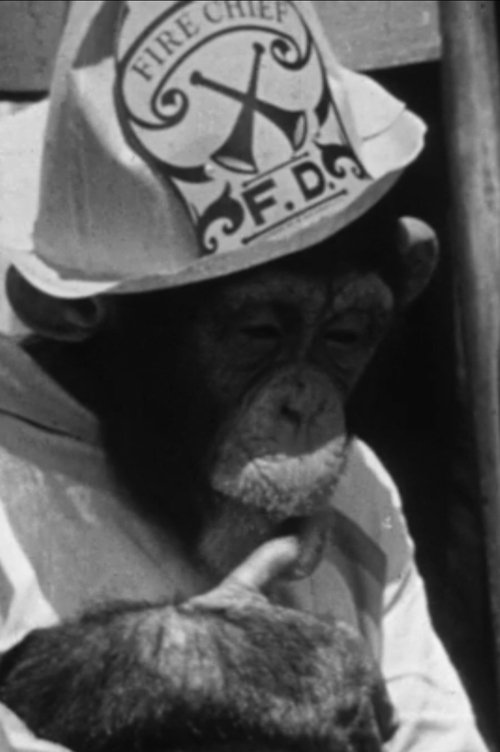
Another of the "Variety Views" continuing adventures with Shorty the Chimp getting loose and running amok. Tired of waiting at the fire house for a blaze, Shorty sets one in the building himself. At another fire, Shorty makes a jungle-style rescue by climbing hand-over-hand on wires leading into a building.
1932
1936
1916
1933

1934
1932
1900
1938
No reviews yet. Be the first to share your thoughts on this movie!
Use the rating form above to leave a star rating and optional review.