
Rent-a-Cat
2012
No user ratings available yet
Representation score: 5.6 out of 10
Representation Score
Excellent
2025
PG-13Director
Hikari
Runtime
110 minutes
Average Rating
No ratings yetNew Showbiz Analysis
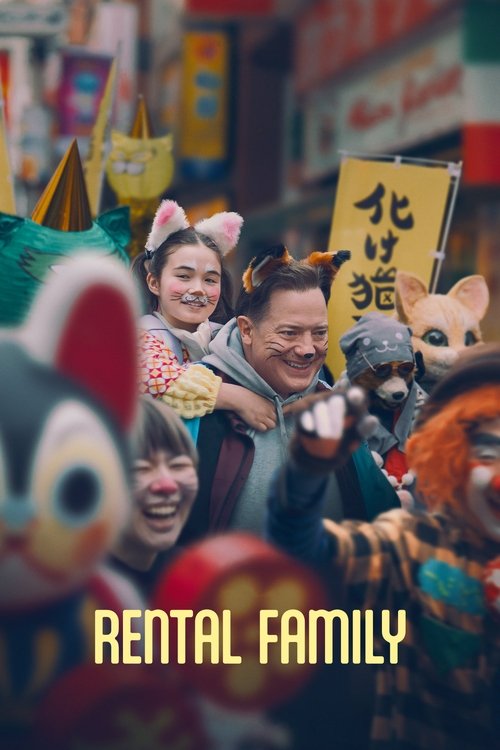
Rental Family achieves its strongest points in racial and cultural representation by centering the Japanese experience and critiquing including someone from a minority group without giving them real depth through its plot. The meta-awareness of the 'token white guy' role provides a sharp, self-reflexive commentary on diversity that elevates the film beyond standard cross-cultural dramas. Gender dynamics offer moderate progress, with female characters driving key social rituals rather than serving as passive objects. However, the narrative structure still revolves around the male protagonist’s emotional journey, limiting the depth of women's ability to drive the story compared to the robust cultural critique present elsewhere. The film’s silence on LGBTQ+ and disability issues creates noticeable gaps in its inclusive architecture. While it successfully challenges Western-centric storytelling through cultural immersion, the absence of these specific underrepresented voices prevents it from achieving a truly comprehensive diversity score.
Category Breakdown
The film does not include any explicit LGBTQ+ characters or explore queer identities. The central romantic plots revolve around heterosexual relationships, which do not provide visibility for non-straight or non-cisgender identities.
The film features a strong female character who drives important social rituals, challenging the typical male-dominated narrative. However, the main focus remains on the male protagonist’s internal journey, portraying masculinity as passive and reactive.
The film centers the Japanese experience, positioning the white protagonist as an outsider. It critiques including someone from a minority group without giving them real depth by highlighting the 'token white guy' role, emphasizing cultural authenticity with a predominantly non-white cast.
The narrative deeply engages with Japanese cultural norms such as *honne* and *tatemae*, framing the plot around these concepts. The story validates chosen bonds over biological ones, offering a progressive reimagining of kinship that challenges rigid Western individualism.
There are no characters with visible or invisible disabilities in the provided context. Psychological themes of identity conflict are not linked to neurodivergence or physical disability, leaving this category without specific representation.
Present on Screen
Limited or Absent
Official Synopsis
An American actor in Tokyo struggles to find purpose until he lands an unusual gig: working for a Japanese 'rental family' agency, playing stand-in roles for strangers. As he immerses himself in his clients' worlds, he begins to form genuine bonds that blur the lines between performance and reality.
2012

1999

2022

2013

2019

1998
2007

2022
No reviews yet. Be the first to share your thoughts on this movie!
Use the rating form above to leave a star rating and optional review.