
Lupin the Third: Goodbye Partner
2019
No user ratings available yet
Representation score: 5.4 out of 10
Representation Score
Fair
2010
(Banned)Runtime
20 minutes
Average Rating
No ratings yetNew Showbiz Analysis
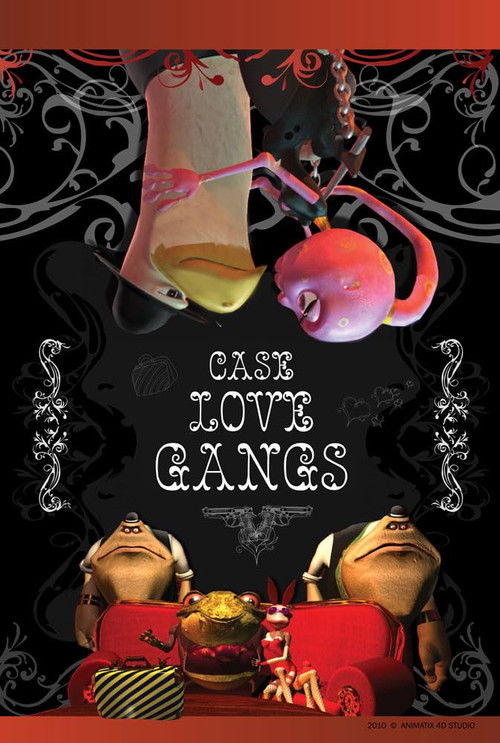
Case, Love, Gangs is a character-driven heist story that finds its strength in the interpersonal connection between its two leads. By focusing on a romance that defies professional and factional loyalties, the film moves beyond a simple crime procedural to explore individual ability to act. However, the film lacks depth in broader social representation. There is no information regarding the racial, ethnic, or gender identities of the characters, making the world feel narrow in its demographic scope. Ultimately, the film's progressive qualities are tied to its rejection of traditional morality and institutional mandates rather than a diverse cast or inclusive social themes.
Category Breakdown
The story focuses on a romantic relationship between Orl and Gekkona that surpasses their professional rivalry. Their connection drives them to prioritize their relationship over their mafia duties.
The gender dynamics of the characters are not clearly defined. The roles of thief and mobster follow traditional heist stereotypes without explicitly challenging gender hierarchies.
The film does not provide any descriptions of the racial or ethnic backgrounds of its characters. The story focuses on the heist and the pursuit of the Golden Head.
The story explores a subjective moral landscape where thieves are portrayed as protagonists. Characters reject systemic authority and client orders to prioritize their own choices and personal interests.
There are no mentions of characters with visible or invisible disabilities in the narrative.
Present on Screen
Limited or Absent
Official Synopsis
The main hero is an art thief who signs up for the mobster's order to steal the Golden Head from the municipal museum. But suddenly another thief appears hired by the rival mafia group. This creeper Gekkona from under Orl's nose has stolen the key which opened the treasure where the Golden Head was kept. In chase of the halidom Orl and Gekkona fall in love with each other and give their clients the push.
2019
1979
2013
1999
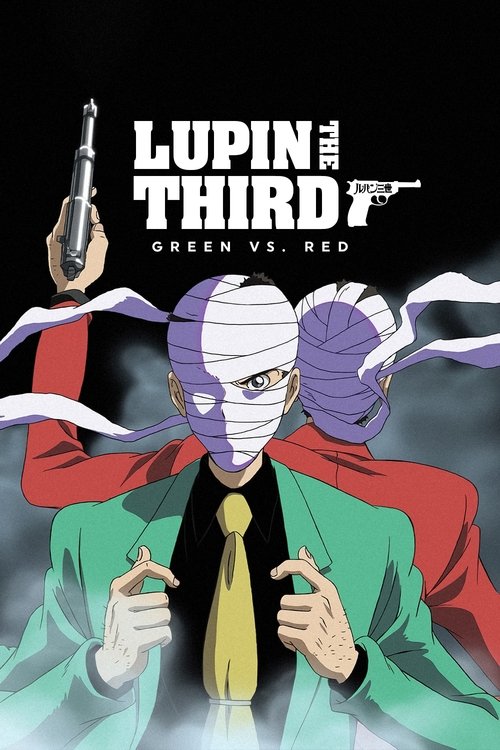
2008

2008
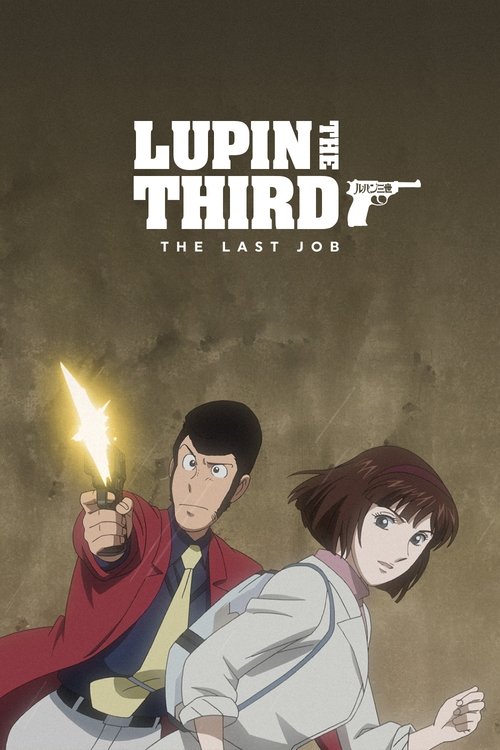
2010
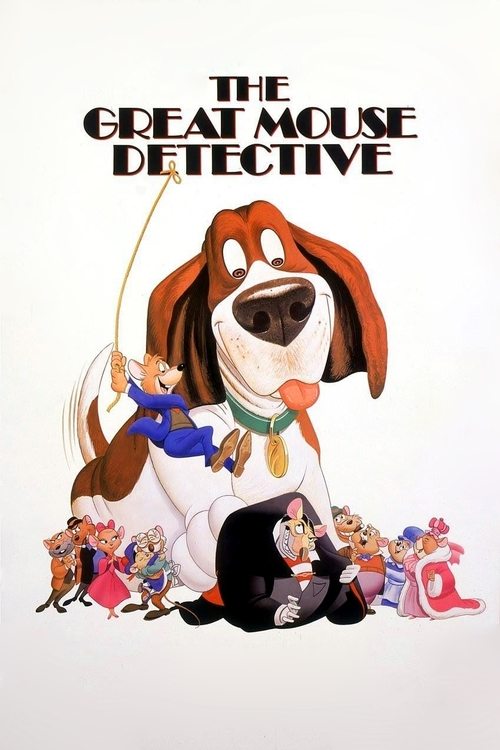
1986
No reviews yet. Be the first to share your thoughts on this movie!
Use the rating form above to leave a star rating and optional review.