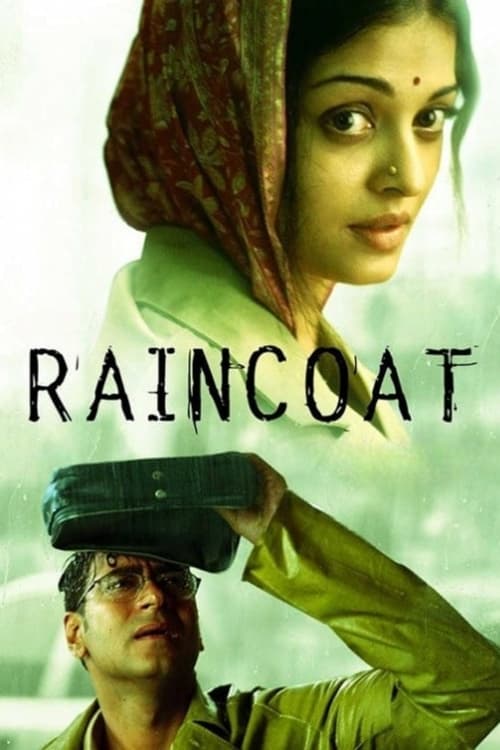
Raincoat
2004
No user ratings available yet
Representation score: 7.5 out of 10

Representation Score
Excellent
2003
Director
Rituparno Ghosh
Runtime
167 minutes
Average Rating
No ratings yetNew Showbiz Analysis
Rituparno Ghosh delivers a sophisticated deconstruction of the domestic sphere, moving beyond the clichés of standard period dramas. The film's primary strength lies in its focus on female intellectual and emotional ability to act, effectively challenging the era's rigid social hierarchies. While the film excels in critiquing gender and cultural norms, it remains limited by its lack of explicit LGBTQ+ identities and a narrow focus on physical disability. The narrative uses physical ailments more as a plot device than a study of ability to act. Ultimately, the work succeeds as a critique of systemic oppression. It replaces the 'ideal' family unit with a complex study of how social and religious institutions marginalize individuals.
Category Breakdown
The film does not explicitly include LGBTQ+ identities or same-sex pairings. However, it explores emotional intimacy and the fluidity of desire that exists outside of traditional marital structures.
The narrative centers around the ability to act of women, especially through the character of Binodini, who exerts significant influence over the household. It critiques submissive femininity by highlighting the disruptive ability to act of a widow.
Set in early 20th-century Bengal, the film centers the Bengali experience. It explores post-colonial power dynamics and internal social stratifications such as caste and class within a homogeneous cast.
The film critiques orthodox religious institutions and the hypocrisy of the landed upper class. It portrays traditional patriarchal structures as inherently oppressive to the individual.
Physical vulnerability is introduced through a sickly husband, serving primarily as a plot catalyst. The narrative focuses more on the social invisibility caused by the status of widowhood.
Present on Screen
Limited or Absent
Official Synopsis
A young woman is left to her own devices when her sickly husband dies. Based on the novel by Rabindranath Tagore.
2004

1951

1997

1964

2015

2005

1981

2010
No reviews yet. Be the first to share your thoughts on this movie!
Use the rating form above to leave a star rating and optional review.