
Water
2005
No user ratings available yet
Representation score: 8.8 out of 10
Representation Score
Good
1997
PG-13Director
Deepa Mehta
Runtime
108 minutes
Average Rating
No ratings yetNew Showbiz Analysis
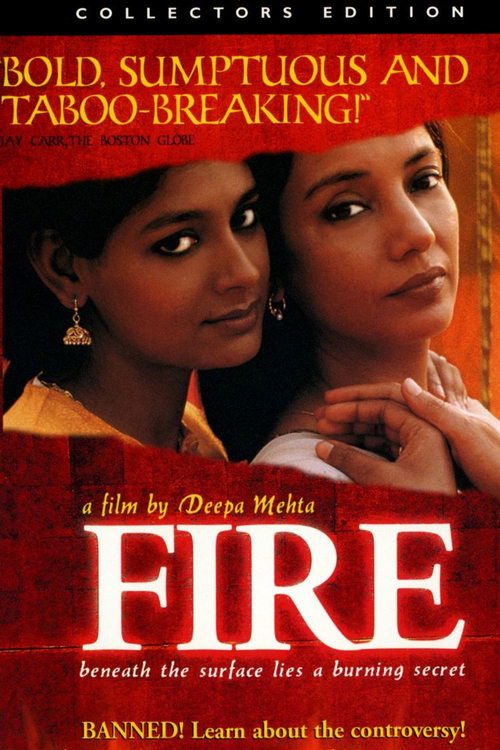
Deepa Mehta’s *Fire* is a sophisticated critique of traditional social norms and patriarchal structures. By focusing on the relationship between two women, the film goes beyond typical character development to challenge conventional domesticity. The film effectively overturns traditional gender roles, depicting men as emotionally detached while empowering women to shape their own lives. It avoids the pitfall of presenting a sanitized version of Indian society, instead offering a nuanced view of social dynamics. While the cast is ethnically uniform, the film’s strength lies in its culturally authentic and critical approach to tradition. It stands as a powerful example of storytelling that reflects multiple aspects of identity.
Category Breakdown
The film provides a strong depiction of non-traditional gender identities. It focuses on the romantic and physical relationship between Radha and Sita as a central part of the story, rather than a minor subplot.
The story challenges traditional gender roles by showing male characters as emotionally distant. Power shifts from male-dominated roles to women who seek intellectual and emotional growth.
An authentic, all-Indian cast offers a deep look into a specific cultural setting. The film avoids idealized portrayals of South Asian life, instead showing realistic social interactions.
The film portrays the quest for personal freedom as essential rather than a moral flaw. It emphasizes emotional liberation over strict adherence to religious or societal rules.
There are no significant representations of visible or invisible disabilities in the main storyline.
Present on Screen
Limited or Absent
Official Synopsis
In a barren, arranged marriage to an amateur swami who seeks enlightenment through celibacy, Radha's life takes an irresistible turn when her beautiful young sister-in-law seeks to free herself from the confines of her own loveless marriage.
2005

1964

2004

2001

1999

1991

1998

2004
No reviews yet. Be the first to share your thoughts on this movie!
Use the rating form above to leave a star rating and optional review.